
The Art of Pour-Over Coffee
Pour-over coffee is one of the most precise and rewarding methods of brewing coffee, emphasizing control, patience, and an understanding of the coffee bean's unique characteristics. Unlike automatic machines, pour-over requires a deliberate process where hot water is poured over freshly ground coffee in a slow, circular motion. This technique allows the brewer to extract the maximum flavor from each coffee bean, highlighting nuances such as acidity, sweetness, and body. The key components of a successful pour-over include freshly roasted beans, the right grind size, water temperature, and proper pouring technique. Typically, a medium-coarse grind works best, as it ensures even extraction without over-extraction, which can result in bitterness. Water should be heated to around 195–205°F (90–96°C) to achieve optimal solubility. The brewing process often begins with a bloom, where a small amount of water is poured over the grounds to release carbon dioxide and prepare the coffee for even extraction. Following the bloom, water is poured in controlled circular motions, carefully maintaining the right flow rate and timing. The pour-over method allows for experimentation and refinement, with variations in pouring speed, grind size, and coffee-to-water ratio influencing the final cup. This technique is especially appreciated by specialty coffee enthusiasts for its ability to showcase the bean's origin, roast profile, and subtle flavor notes. Pour-over coffee emphasizes mindfulness and attention to detail, transforming brewing from a simple routine into an engaging ritual. The clarity and complexity achieved with this method are unmatched, and mastering it can provide a deep appreciation for the craft of coffee making. Over time, brewers learn to develop a rhythm and intuition that allows them to produce consistent and flavorful cups, whether brewing a single cup or multiple servings. The aesthetic and tactile aspects, such as watching the water bloom and the aroma released during brewing, also contribute to the overall experience. Pour-over coffee is not just about taste; it is a holistic practice that combines science, art, and sensory enjoyment, offering a rewarding and enriching approach to everyday coffee drinking.
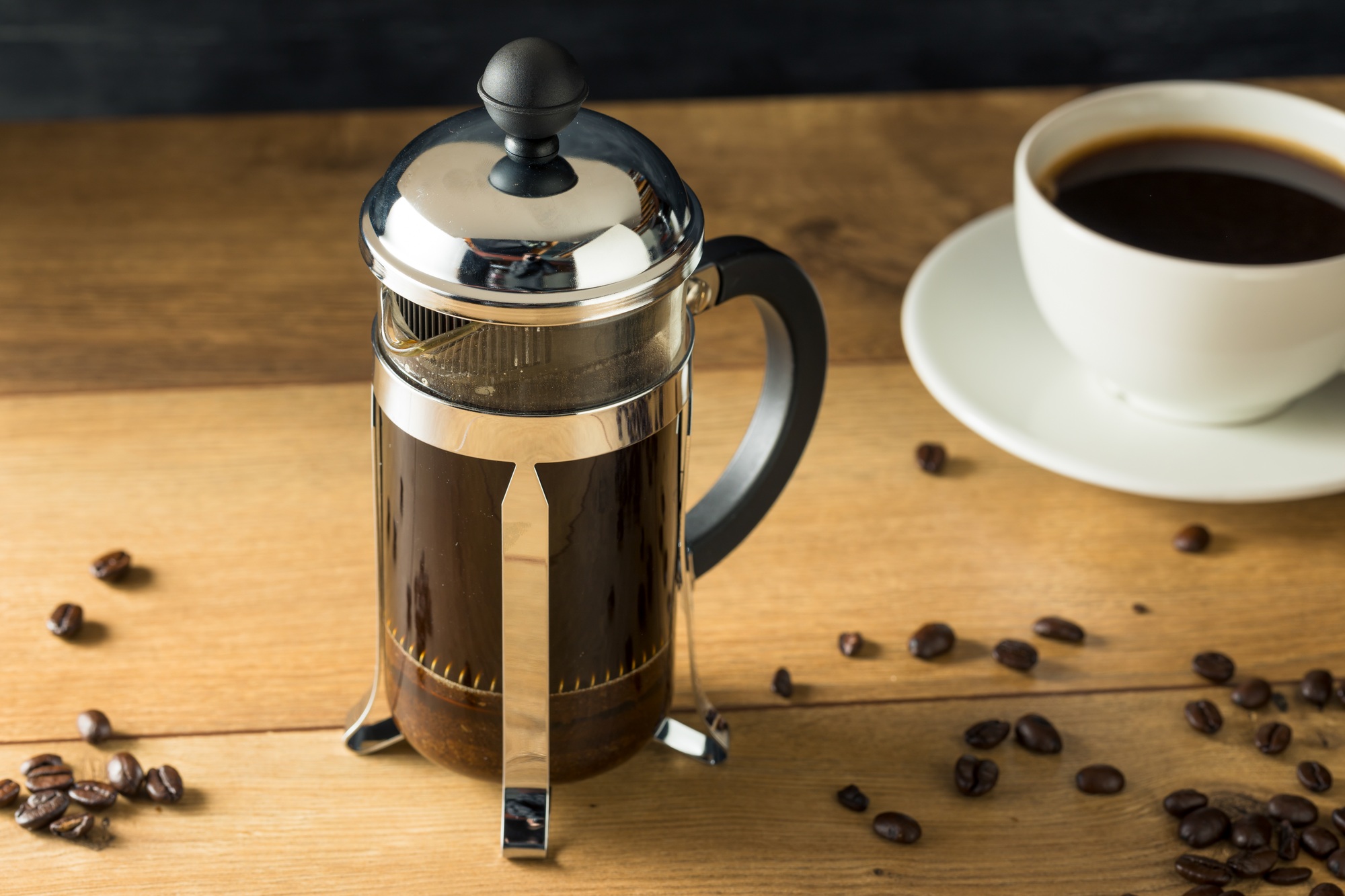
Mastering French Press Coffee
French press coffee, also known as press pot or plunger pot coffee, is a classic brewing method that offers full-bodied flavor and a rich, aromatic experience. Unlike drip coffee, which filters out oils and fine particles, the French press uses a metal mesh plunger that allows these elements to remain in the final cup, creating a thicker mouthfeel and enhanced flavor complexity. Brewing with a French press begins with coarsely ground coffee, which prevents over-extraction and ensures smoothness. The recommended ratio is generally one gram of coffee per fifteen to seventeen grams of water, though this can be adjusted based on personal taste preferences. Water should be heated to just below boiling, around 195–205°F (90–96°C), and poured over the coffee grounds evenly, allowing them to bloom for thirty to forty seconds. After adding the full amount of water, the brew is steeped for approximately four minutes, though variations in steeping time can adjust the strength and flavor profile of the coffee. Once steeping is complete, the plunger is gently pressed down to separate the grounds from the liquid. French press coffee is celebrated for its ability to highlight the natural flavors of the bean, including chocolate, nutty, and fruity notes, while providing a full-bodied and satisfying cup. This method encourages experimentation with grind size, coffee-to-water ratio, steeping time, and water temperature, allowing enthusiasts to refine their technique and develop their preferred flavor profile. Beyond the technical aspects, French press brewing also emphasizes ritual and enjoyment, as the process engages multiple senses—sound, aroma, and sight—along with taste. Mastering the French press provides coffee drinkers with a deeper understanding of how brewing variables affect the final cup, promoting appreciation for both the science and artistry behind coffee. Additionally, French press coffee is versatile and can be brewed in small quantities for individual enjoyment or larger batches for group settings. The immersive and hands-on nature of this method makes it an enduring favorite among coffee aficionados worldwide.

Espresso: The Heart of Coffee Culture
Espresso is the foundation of modern coffee culture, celebrated for its concentrated flavor, creamy texture, and versatility in beverages such as lattes, cappuccinos, and Americanos. The espresso brewing process involves forcing hot water through finely ground coffee at high pressure, typically around nine bars, extracting the coffee’s oils, aroma, and soluble solids in a short amount of time, usually 25–30 seconds. Precision is crucial in espresso preparation, including grind size, tamping pressure, water temperature, and dose. A fine grind is essential to ensure proper extraction, while even tamping distributes the coffee uniformly in the portafilter. The temperature of the water should be consistently maintained between 195–205°F (90–96°C), and the ratio of coffee to water should be calibrated to achieve balance, typically around 18–20 grams of coffee for a double shot. Espresso is prized for its crema, a golden layer of emulsified oils and carbon dioxide that forms on top of a freshly pulled shot, indicating proper extraction and freshness. Skilled baristas manipulate variables such as extraction time, pressure profiling, and pre-infusion to bring out desired flavor notes, ranging from fruity and floral to chocolatey and nutty. Espresso is not only a beverage but a craft that requires knowledge, experience, and sensory awareness, as subtle changes in technique can significantly impact the final taste. The espresso experience extends beyond flavor to include aroma, body, and mouthfeel, creating a sensory-rich ritual for enthusiasts. Additionally, espresso culture has influenced global coffee trends, inspiring cafes, competitions, and innovations in brewing equipment. Mastering espresso involves both science and art, offering endless opportunities for refinement, creativity, and appreciation of coffee’s complexity. The precision, intensity, and sensory engagement of espresso make it an essential pillar of coffee culture, appealing to both professional baristas and passionate home brewers.

A Guide to Cold Brew Coffee
Cold brew coffee has gained immense popularity in recent years due to its smooth, mellow flavor and low acidity compared to traditional hot brewing methods. Unlike hot coffee, which extracts flavors quickly with heat, cold brew relies on extended steeping at low temperatures, typically for 12–24 hours, allowing for a slow and even extraction. This method brings out subtle sweetness, rich body, and nuanced flavor notes in the coffee, making it ideal for those sensitive to bitterness. To make cold brew, coarsely ground coffee is combined with cold or room temperature water at a ratio often around 1:4 to 1:8, depending on desired strength. The mixture is then steeped in a refrigerator or cool environment, filtered to remove grounds, and served chilled, over ice, or diluted with water, milk, or cream. Cold brew can also serve as a base for iced coffee beverages, cocktails, or dessert drinks, offering versatility for both home brewing and commercial cafes. Selecting quality beans, preferably freshly roasted and medium to dark roasted for richer flavor, enhances the experience. Cold brew emphasizes patience and technique, as grind size, steeping time, and water-to-coffee ratio all significantly influence the final cup. Its smooth texture, balanced sweetness, and reduced acidity make it a refreshing and approachable option for everyday consumption, particularly in warm climates. Cold brew also offers practical advantages, including the ability to brew in large batches, store for several days without losing flavor, and customize with syrups, milk alternatives, or flavor infusions. The method embodies a blend of science, craft, and creativity, rewarding enthusiasts with a coffee experience that is both refreshing and satisfying, highlighting the complexity and artistry of coffee brewing. Overall, cold brew has redefined modern coffee enjoyment by providing a versatile, flavorful, and accessible alternative to traditional hot coffee.

Aeropress: Innovation in Brewing
The Aeropress is a unique and versatile coffee brewing device designed to provide fast, consistent, and flavorful coffee, combining elements of immersion and pressure brewing. Invented in 2005 by Alan Adler, the Aeropress consists of a cylindrical chamber and plunger, allowing users to steep coffee grounds in water and then press the brewed coffee through a filter into a cup. This method provides control over variables such as water temperature, grind size, steeping time, and pressure, enabling experimentation to achieve desired flavor profiles. Typically, medium-fine to fine ground coffee is used, with water heated to approximately 175–205°F (80–96°C). Steeping time can vary between 1–3 minutes, followed by pressing with steady pressure to extract the coffee. The resulting cup is clean, smooth, and aromatic, with low bitterness and a well-balanced body. Aeropress is prized for its portability, ease of cleaning, and adaptability, supporting multiple brewing techniques including standard, inverted, and espresso-style presses. Coffee enthusiasts appreciate the device for its ability to highlight the subtle nuances of coffee beans, allowing experimentation with ratios, grind sizes, and water temperatures to fine-tune flavor. It has inspired a global community of brewers, competitions, and creative recipes. Beyond technical precision, the Aeropress fosters a hands-on, engaging brewing experience that emphasizes both craft and creativity, encouraging exploration and learning. Its unique combination of immersion and pressure extraction offers a distinctive alternative to traditional methods such as drip, French press, or espresso. Overall, the Aeropress exemplifies innovation, versatility, and accessibility in coffee brewing, providing both professional baristas and home enthusiasts with a powerful tool to explore the full potential of coffee flavor and aroma.

Chemex: Elegant Coffee Brewing
The Chemex coffee maker is a pour-over style brewer renowned for its elegant design and ability to produce a clean, flavorful cup of coffee. Invented by Peter Schlumbohm in 1941, the Chemex utilizes a specially designed paper filter that is thicker than standard filters, which removes most oils and fine particles, resulting in a clear, bright, and aromatic brew. The process requires attention to detail, including selecting freshly roasted beans, grinding them to a medium-coarse consistency, and maintaining precise water temperature between 195–205°F (90–96°C). The brewing begins with a bloom, where a small amount of water is poured over the coffee grounds to release trapped carbon dioxide, enhancing flavor extraction. Water is then poured slowly in circular motions to ensure even saturation and consistent extraction throughout the coffee bed. Chemex brewing allows for adjustments in coffee-to-water ratios, pouring speed, and grind size, giving the brewer the ability to highlight different flavor notes, from fruity and floral to nutty and chocolatey. The aesthetic appeal of the Chemex, with its hourglass glass body and wooden collar, adds a ritualistic and sensory dimension to coffee preparation. The brewing process emphasizes mindfulness, precision, and the art of observation, transforming the act of making coffee into an engaging experience. Chemex coffee is particularly appreciated in specialty coffee circles for its clarity, balance, and ability to showcase the unique characteristics of single-origin beans. Beyond taste, the Chemex exemplifies the marriage of design and functionality, making it both a visual and practical centerpiece for coffee enthusiasts. Mastering Chemex brewing requires practice and patience, allowing the brewer to refine technique and achieve consistently high-quality cups. Its emphasis on control, artistry, and sensory engagement makes the Chemex a favorite among those seeking a sophisticated and rewarding coffee experience, bridging the gap between science and ritual in daily coffee enjoyment.

Siphon Coffee: Science Meets Art
Siphon coffee, also known as vacuum coffee, is a visually stunning and technically precise brewing method that combines principles of physics with the artistry of coffee preparation. The siphon brewer consists of two chambers connected by a tube, with water heated in the lower chamber, forcing it to rise into the upper chamber where it mixes with coffee grounds. Once the heat is removed, gravity and vacuum pressure draw the brewed coffee back into the lower chamber, leaving spent grounds behind. This method highlights the intricate balance between water temperature, grind size, and brewing time, providing a clean, flavorful, and aromatic cup with vibrant clarity and nuanced flavor notes. Siphon brewing emphasizes precision and control, requiring careful monitoring of heat, agitation, and timing. The process allows for full immersion of the coffee grounds, enhancing extraction of soluble compounds, while the cloth or metal filter ensures sediment is minimized. Siphon coffee is celebrated for its complexity, both in the sensory experience and in the brewing ritual, with the captivating spectacle of the rising and falling liquid engaging multiple senses. The technique encourages experimentation, with adjustments in grind size, coffee-to-water ratio, and brewing time significantly affecting flavor profiles, ranging from floral and fruity to chocolaty and nutty. Beyond taste, siphon coffee embodies a sense of elegance, craftsmanship, and scientific curiosity, making it a favorite among enthusiasts who appreciate the intersection of chemistry and artistry. The method also serves as a showcase for specialty beans, allowing their unique qualities to shine through in a balanced and refined cup. Mastery of siphon coffee fosters patience, attention to detail, and a deeper understanding of extraction principles, elevating the act of brewing into a captivating and immersive experience. Overall, siphon coffee offers a harmonious combination of science, art, and sensory pleasure, making it one of the most sophisticated and engaging methods of coffee preparation.

Moka Pot: Classic Espresso at Home
The Moka pot, often referred to as the stovetop espresso maker, is a timeless and accessible method of brewing strong, concentrated coffee at home. Invented by Alfonso Bialetti in 1933, the Moka pot consists of three chambers: a bottom chamber for water, a middle funnel for coffee grounds, and a top chamber for collecting brewed coffee. When heated, water in the bottom chamber turns to steam, creating pressure that pushes hot water through the coffee grounds and into the top chamber. The resulting brew is rich, robust, and full-bodied, with flavors that bridge traditional espresso and strong drip coffee. Key factors for successful Moka pot brewing include using freshly ground coffee with a medium-fine consistency, maintaining consistent heat, and avoiding overfilling or compacting the coffee grounds, which can lead to bitter or uneven extraction. The technique requires attention to timing and sensory cues, such as the sound of bubbling and the aroma released during brewing, to ensure optimal results. Moka pot coffee is particularly appreciated for its convenience, affordability, and the ability to produce a concentrated and aromatic cup without specialized equipment. It also encourages experimentation, allowing adjustments in grind size, water temperature, and coffee-to-water ratio to achieve desired flavor profiles. Beyond taste, the Moka pot has become an iconic symbol of coffee culture, representing the ritualistic and social aspects of coffee preparation, especially in European households. Its design and function blend simplicity, efficiency, and tradition, providing a hands-on brewing experience that connects enthusiasts to the art of coffee making. Mastering the Moka pot develops both technical skill and appreciation for the nuanced flavors of coffee, offering a consistent and enjoyable way to enjoy espresso-style beverages at home. Overall, the Moka pot exemplifies practicality, heritage, and the satisfying craftsmanship of home brewing, making it a beloved method for coffee lovers worldwide.
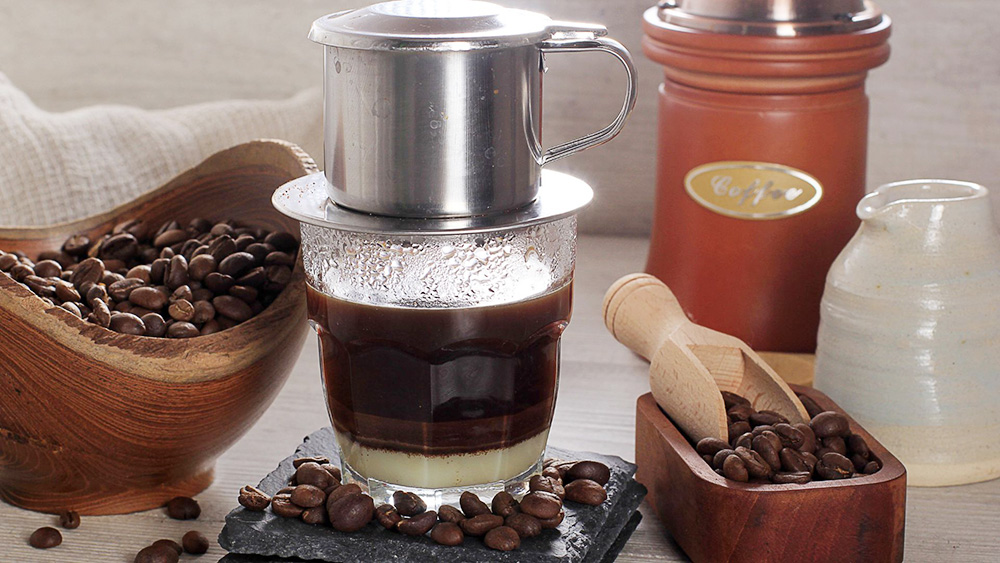
Vietnamese Coffee: Bold and Sweet
Vietnamese coffee is a distinctive style of brewing that combines robust coffee flavors with sweetened condensed milk, resulting in a rich, creamy, and indulgent beverage. Traditionally brewed using a small metal drip filter called a 'phin,' the method involves placing ground coffee in the filter, slowly dripping hot water through the grounds, and allowing the concentrated coffee to mix with condensed milk in a glass or cup. Vietnamese coffee uses dark roasted beans, often robusta, which provide bold, earthy, and slightly bitter flavors that complement the sweetness of the condensed milk. The brewing process is slow and deliberate, with each cup taking several minutes to drip, encouraging a mindful and engaging experience. Vietnamese iced coffee, or cà phê sữa đá, is a popular variation served over ice, providing a refreshing yet intense drink ideal for warm climates. This method emphasizes balance between strength, sweetness, and texture, resulting in a beverage that is both flavorful and satisfying. Beyond taste, Vietnamese coffee culture reflects the social and leisurely aspects of coffee drinking, often enjoyed in cafes with friends, family, or during moments of quiet reflection. The simplicity of the phin, combined with the depth of flavor it produces, highlights the ingenuity and tradition of Vietnamese coffee practices. Mastery of this method involves selecting quality beans, controlling grind size, water temperature, and drip rate, as well as achieving the right balance with condensed milk. Vietnamese coffee provides a unique sensory experience, engaging taste, aroma, and visual appeal, while celebrating heritage and ritual in everyday life. Overall, it is a bold, sweet, and culturally rich approach to coffee preparation, offering enthusiasts a flavorful and immersive journey into traditional brewing techniques.
Single-Origin Coffee: Exploring Terroir
Single-origin coffee emphasizes the unique flavors and characteristics of beans sourced from a specific region, farm, or cooperative, offering enthusiasts an opportunity to explore terroir, climate, and cultivation methods. Unlike blended coffees, which combine beans from multiple sources to achieve a consistent flavor profile, single-origin coffee highlights the inherent qualities of a particular location, such as soil, altitude, rainfall, and processing techniques. Brewing single-origin coffee requires attention to extraction variables, including grind size, water temperature, brewing method, and coffee-to-water ratio, to capture the bean's full spectrum of flavors. Methods such as pour-over, Aeropress, Chemex, and siphon are particularly popular for highlighting single-origin characteristics. These coffees can present a wide range of flavor notes, from floral and fruity to chocolatey, nutty, and earthy, depending on origin and roast level. Single-origin coffee encourages experimentation and appreciation of subtle nuances, as each batch may vary slightly, reflecting seasonal and environmental changes. Coffee professionals and enthusiasts often engage in cupping sessions to evaluate aroma, acidity, body, and sweetness, gaining deeper understanding and sensory awareness. Single-origin coffee also promotes transparency and ethical sourcing, as many producers prioritize sustainable farming practices, fair compensation, and traceability. This approach fosters a connection between the consumer, the coffee grower, and the land where the beans are cultivated. By exploring single-origin coffee, drinkers develop a refined palate, learn to distinguish flavor profiles, and cultivate an appreciation for the science, craft, and artistry behind each cup. Overall, single-origin coffee embodies education, sensory exploration, and ethical consideration, offering a rich, rewarding, and immersive coffee experience that celebrates the diversity and complexity of coffee cultivation worldwide.

Turkish Coffee: Tradition and Ritual
Turkish coffee is one of the oldest and most traditional methods of brewing coffee, originating from the Ottoman Empire and remaining an integral part of cultural rituals in Turkey and the Middle East. Unlike other brewing methods, Turkish coffee uses very finely ground coffee, almost powder-like in consistency, combined with water and sugar directly in a small pot called a cezve or ibrik. The coffee is slowly brought to a near-boil over low heat, allowing the foam to develop, which is considered an essential aspect of the brewing process. The preparation is a precise and mindful practice, requiring attention to timing, temperature, and proportion of coffee to water and sugar. Turkish coffee is unfiltered, so the fine grounds settle at the bottom of the cup, contributing to its strong flavor, thick body, and characteristic sediment layer. This method produces a highly aromatic, full-bodied cup with pronounced richness and intensity, often accompanied by cardamom or other spices to enhance complexity. Beyond its taste, Turkish coffee holds cultural significance, often serving as a symbol of hospitality, social bonding, and ceremonial occasions, including fortune-telling using the coffee grounds left in the cup. The ritual involves both preparation and presentation, emphasizing patience, precision, and appreciation for the sensory experience, from the smell and sight of the foam to the taste of the coffee itself. Mastering Turkish coffee requires practice in grind size, heat control, and pouring technique to create the perfect balance of strength, foam, and flavor. The method fosters mindfulness, engagement, and a deeper connection to tradition, providing a rich and immersive coffee experience that is both historical and sensory. Overall, Turkish coffee represents a unique and culturally rich approach to brewing, combining art, history, and flavor into a ceremonial experience that continues to be celebrated worldwide.

Nitro Coffee: Infused with Innovation
Nitro coffee is a modern coffee innovation that combines cold brew coffee with nitrogen gas to create a smooth, creamy, and effervescent beverage with a velvety texture and cascading visual effect. Originating in specialty coffee shops, nitro coffee is served on tap, similar to draft beer, allowing nitrogen bubbles to produce a frothy head and enhance mouthfeel. The process begins with high-quality cold brew coffee, steeped for 12–24 hours to extract maximum flavor with low acidity. Nitrogen is then infused under pressure, which not only gives the coffee a creamy texture but also slightly sweetens the flavor by masking bitterness. Nitro coffee is typically unsweetened and unadulterated, allowing the natural characteristics of the coffee beans to shine, although variations may include milk or flavor syrups. The beverage is celebrated for its unique sensory experience, combining taste, aroma, and visual appeal. The cascading effect observed when poured from a tap adds to the theatrical presentation and overall enjoyment. Nitro coffee emphasizes smoothness and body, with a rich, creamy mouthfeel and vibrant flavor profile that highlights chocolatey, nutty, or fruity notes depending on the beans used. The method also offers versatility, enabling experimentation with different coffee origins, roast levels, and infusion techniques. Nitro coffee has become a symbol of innovation in the coffee industry, blending modern science with the artistry of brewing to create a unique and memorable drinking experience. It is enjoyed both for its refreshing qualities and the novelty of its presentation, appealing to coffee enthusiasts seeking variety and creativity in their daily routine. Overall, nitro coffee showcases the potential for innovation in coffee preparation, merging technology, flavor, and aesthetics into a smooth, refreshing, and visually captivating beverage.

Japanese Iced Coffee: Precision and Clarity
Japanese iced coffee, also known as flash brew, is a technique that emphasizes precision, clarity, and freshness in chilled coffee. Unlike traditional cold brew, which requires extended steeping times, Japanese iced coffee involves brewing hot coffee directly over ice, immediately chilling the beverage and locking in its delicate flavors and aromatic compounds. This method requires careful attention to grind size, water temperature, coffee-to-water ratio, and ice quantity to achieve a perfectly balanced cup. Typically, a medium grind is used, and water is heated to 195–205°F (90–96°C), ensuring optimal extraction. Ice serves a dual purpose: it chills the coffee instantly and prevents over-extraction, which can result in bitterness. The technique highlights the coffee’s natural brightness, acidity, and nuanced flavor notes, making it particularly suitable for high-quality single-origin beans. Japanese iced coffee allows coffee enthusiasts to explore and emphasize the subtle complexities of flavor that might be muted in hot brewing or diluted by standard iced coffee preparation. The method also encourages experimentation, as variations in grind size, brewing time, and water-to-ice ratio can dramatically influence taste. Beyond technical precision, Japanese iced coffee embodies an aesthetic and ritualistic approach to brewing, engaging multiple senses as one observes the brewing process, aroma, and the transformation from hot liquid to perfectly chilled coffee. The method offers versatility for creating both simple, pure iced coffee and more elaborate beverages, such as iced lattes or flavored drinks. Overall, Japanese iced coffee demonstrates the marriage of technical expertise, sensory appreciation, and practical creativity, providing coffee enthusiasts with a refined and refreshing alternative to traditional brewing techniques, showcasing clarity, vibrancy, and exceptional flavor in every cup.

Cold Drip Coffee: Slow Extraction for Maximum Flavor
Cold drip coffee, also known as slow drip or Kyoto-style coffee, is a meticulous brewing method that emphasizes patience, precision, and flavor clarity. This technique involves dripping cold water slowly over medium to coarse ground coffee for an extended period, typically 3–8 hours, allowing for a gradual extraction of flavor compounds without heat. The slow extraction reduces acidity and bitterness, resulting in a smooth, clean, and concentrated coffee with a nuanced flavor profile that highlights the natural sweetness, body, and aroma of the beans. Cold drip coffee equipment usually consists of multiple chambers, including a water reservoir, a drip control mechanism, and a collection vessel. Adjustments in drip rate, grind size, coffee-to-water ratio, and extraction time allow enthusiasts to experiment and fine-tune flavor outcomes, emphasizing particular tasting notes, such as floral, chocolate, fruity, or nutty flavors. This method preserves delicate aromatics that can be lost in hot brewing, providing a unique sensory experience that combines taste, smell, and visual presentation. Cold drip coffee can be consumed straight, over ice, or diluted to taste, offering versatility for daily consumption or for specialty beverage preparation. The process also encourages mindfulness and engagement, as brewers must carefully calibrate drip speed and observe extraction progress, transforming brewing into an immersive ritual. Cold drip coffee embodies the intersection of science, craftsmanship, and aesthetic enjoyment, highlighting the meticulous care required to unlock the full potential of coffee beans. Overall, cold drip coffee provides a rich, smooth, and intricate coffee experience that emphasizes patience, precision, and the exploration of flavor, making it a favorite among enthusiasts seeking refined and high-quality brewing methods.

Espresso Macchiato: Balancing Intensity and Creaminess
The espresso macchiato is a classic coffee beverage that balances the intensity of a concentrated espresso shot with a small amount of steamed milk, resulting in a harmonious blend of robust flavor and creamy texture. Originating in Italian coffee culture, 'macchiato' means 'stained' or 'spotted,' referring to the milk added to the espresso. Preparation begins with a carefully pulled shot of espresso, brewed under high pressure to extract rich oils, aroma, and soluble compounds from finely ground coffee. A small layer of steamed milk or milk foam is then added, softening the espresso’s intensity while preserving its bold characteristics. The beverage requires precision in both espresso extraction and milk steaming, as temperature, texture, and volume significantly impact taste and mouthfeel. Espresso macchiatos highlight the espresso’s complexity, allowing subtle flavor notes such as chocolate, caramel, or fruity undertones to emerge while maintaining the beverage’s signature strength. The drink offers versatility, with variations in milk proportion, milk type, and presentation, catering to personal preference and creativity. It also serves as a foundational template for other espresso-based beverages like lattes and cappuccinos. Beyond taste, the espresso macchiato embodies ritual, craftsmanship, and attention to detail, providing a moment of sensory engagement for the drinker through aroma, visual presentation, and flavor experience. Mastery involves understanding espresso extraction, milk texturing, and balance, offering both professionals and enthusiasts the opportunity to appreciate the artistry behind a small but potent cup. Overall, the espresso macchiato is a refined beverage that exemplifies harmony, technical skill, and enjoyment, showcasing the depth and versatility of espresso preparation while offering a satisfying, flavorful, and elegant coffee experience.
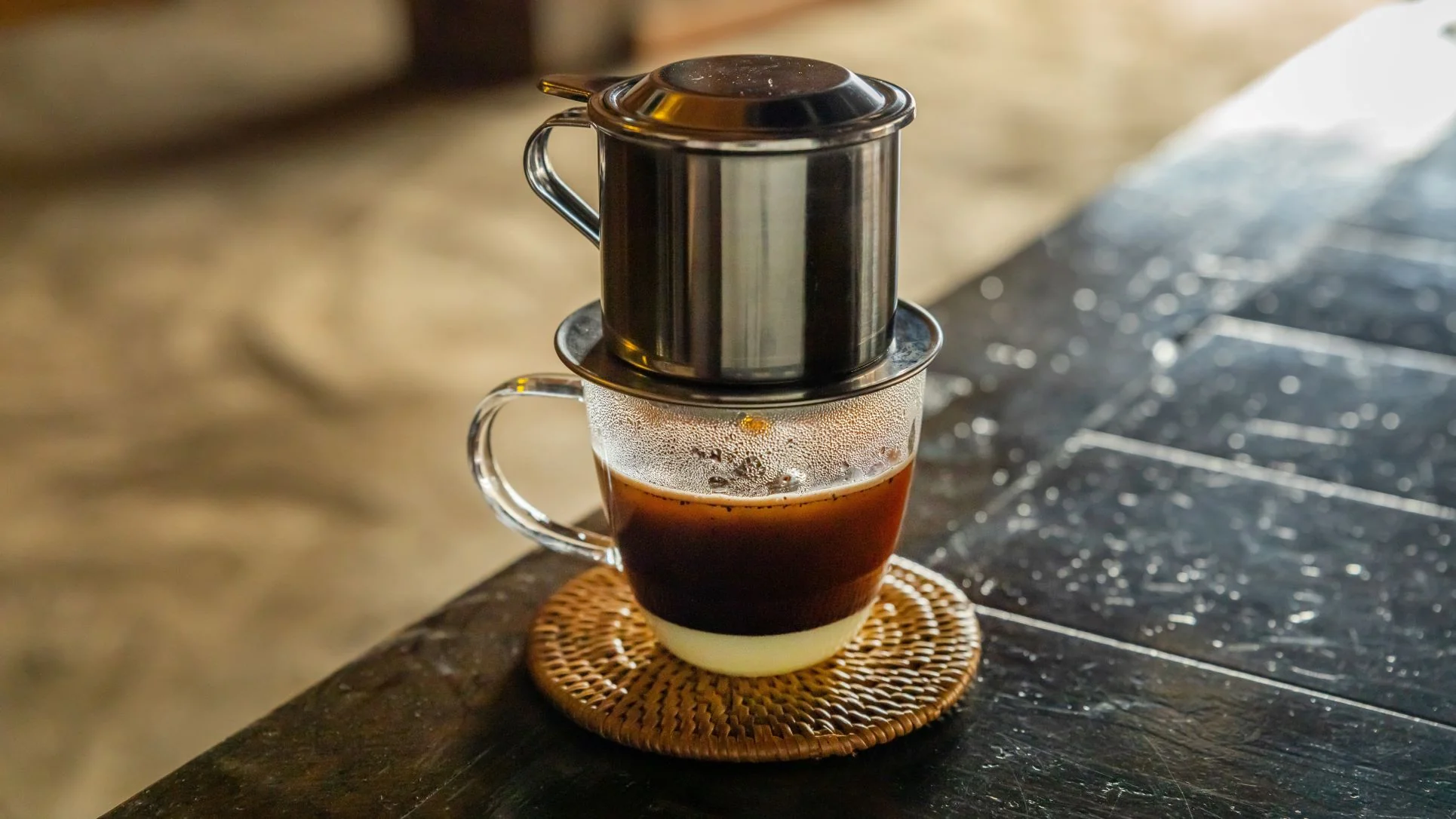
Vietnam Drip Coffee: Sweet and Strong
Vietnam drip coffee, also known as cà phê phin, is a traditional Vietnamese brewing method that produces a bold, aromatic, and intensely flavorful cup of coffee. This method uses a small metal drip filter called a phin, placed over a glass containing sweetened condensed milk. Coarsely ground dark-roasted beans, often robusta, are placed in the filter, and hot water is slowly poured over the grounds. The water slowly drips through the coffee, extracting deep flavors while blending with the rich sweetness of the condensed milk. The result is a robust and indulgent coffee with a thick body, a slightly syrupy texture, and a harmonious balance between strong coffee bitterness and creamy sweetness. Vietnamese drip coffee emphasizes patience, precision, and ritual, as the slow dripping process can take several minutes, allowing for careful observation and sensory engagement. This method encourages experimentation with grind size, coffee-to-water ratio, water temperature, and drip speed to achieve a cup that suits individual taste preferences. Vietnamese coffee can also be served iced, known as cà phê sữa đá, making it a refreshing and energizing beverage in hot climates. The drink reflects Vietnam’s unique coffee culture, emphasizing conviviality, hospitality, and careful craftsmanship. Beyond taste, it fosters an appreciation for the history and tradition behind coffee preparation, connecting enthusiasts with generations of brewing expertise. Mastering Vietnamese drip coffee involves understanding the interaction between water, coffee, and milk, as well as refining techniques to control strength, sweetness, and flavor clarity. It provides a multisensory experience that engages aroma, taste, and visual appeal, making it both satisfying and culturally enriching. Overall, Vietnamese drip coffee represents a blend of artistry, tradition, and innovation, offering a distinct and memorable approach to coffee brewing that has captivated coffee lovers worldwide.

Affogato: Coffee Meets Dessert
The affogato is a delightful Italian coffee-based dessert that combines the intensity of espresso with the creamy sweetness of ice cream or gelato. The term 'affogato' translates to 'drowned' in Italian, reflecting the simple yet indulgent preparation method: a shot of freshly brewed espresso is poured over a scoop of vanilla or other flavored ice cream, instantly creating a rich, warm-and-cold dessert experience. This combination balances bitterness from the espresso with the creamy sweetness of the ice cream, producing a layered flavor profile with contrasting textures and temperatures. The affogato requires careful espresso extraction, typically using freshly ground coffee, finely tamped into a portafilter and brewed under high pressure for 25–30 seconds to achieve a concentrated, aromatic, and flavorful shot. Choosing high-quality ice cream or gelato enhances the dessert’s texture, creaminess, and overall enjoyment. Affogato can be customized with various toppings, such as chocolate shavings, liqueurs, or nuts, adding complexity and aesthetic appeal. Beyond its sensory experience, the affogato embodies elegance, simplicity, and culinary creativity, demonstrating how coffee can transcend its role as a beverage to become a central element of a sophisticated dessert. Mastering affogato preparation involves timing, temperature control, and understanding flavor balance, ensuring the espresso integrates harmoniously with the ice cream without overpowering or melting it too quickly. The affogato is often enjoyed as an afternoon treat, after-dinner indulgence, or special occasion dessert, providing a multisensory experience that engages taste, aroma, and sight. Overall, the affogato exemplifies the intersection of coffee culture, gastronomy, and sensory pleasure, offering enthusiasts a creative and satisfying way to enjoy espresso in combination with the indulgence of dessert, elevating coffee into a refined culinary experience.

Cascara Coffee: A Unique Coffee Experience
Cascara coffee, also known as coffee cherry tea, is a unique beverage made from the dried husks of coffee cherries rather than the beans themselves. While traditional coffee uses roasted seeds, cascara utilizes the outer fruit, offering a naturally sweet, fruity, and floral flavor profile with low acidity and caffeine content. Cascara has a rich history in coffee-producing countries, particularly in Yemen, Ethiopia, and Central America, where the coffee cherry pulp was traditionally dried and brewed as a tea. The preparation involves steeping dried cascara in hot water for several minutes, allowing the delicate flavors to infuse, resulting in a light, aromatic, and slightly tangy beverage. Some variations include cold brewing cascara for a refreshing iced drink, blending with herbs, or combining with spices for a creative twist. Cascara emphasizes sustainability and resourcefulness in coffee production, as it utilizes a part of the coffee plant that would otherwise be discarded, transforming waste into a flavorful and marketable product. The drink highlights the versatility of the coffee plant, providing an alternative for those seeking lower caffeine consumption without sacrificing taste or aroma. Cascara brewing encourages experimentation with water temperature, steeping time, and serving methods, allowing enthusiasts to refine flavor extraction and balance. Beyond taste, cascara coffee offers cultural and environmental significance, promoting awareness of coffee farming practices and the potential of coffee byproducts. The beverage engages multiple senses, from the aroma of dried cherry husks to the visual appeal of its amber-colored infusion and the delicate flavor notes experienced on the palate. Overall, cascara coffee exemplifies innovation, sustainability, and sensory exploration in coffee culture, offering enthusiasts a unique and rewarding alternative to traditional coffee while deepening appreciation for the coffee plant’s versatility and potential.

Irish Coffee: A Classic Coffee Cocktail
Irish coffee is a classic cocktail that blends strong brewed coffee with Irish whiskey, sugar, and a layer of lightly whipped cream, creating a warming and indulgent beverage with a rich balance of flavors. This iconic drink was reportedly first served in the 1940s at the Foynes Airport in Ireland, intended to warm and comfort travelers. Preparation involves brewing hot coffee, adding sugar to taste, stirring in Irish whiskey, and gently floating whipped cream on top to create a layered presentation. The interplay of flavors—bitterness from coffee, sweetness from sugar, warmth from whiskey, and smoothness from cream—produces a complex, harmonious taste that has become a staple in both coffee and cocktail culture. Irish coffee can be served in glass mugs, allowing appreciation of its visual layering, and is often enjoyed in social or festive settings, particularly during colder months or holiday gatherings. Mastery of this drink involves selecting high-quality coffee, adjusting sweetness and whiskey proportion, and properly preparing the cream to ensure a smooth float rather than mixing into the coffee. The drink encourages experimentation with cream texture, whiskey variety, and coffee strength, allowing for personalized flavor adaptations. Irish coffee embodies tradition, social enjoyment, and culinary creativity, bridging the gap between a classic beverage and a cocktail experience. Beyond taste, it engages multiple senses, from aroma and temperature to visual appeal, offering a multisensory experience that enhances enjoyment. Overall, Irish coffee is celebrated for its balance, warmth, and versatility, providing a comforting and sophisticated option for coffee enthusiasts and cocktail lovers alike, highlighting the harmonious combination of coffee, spirits, and cream.

Coffee Tasting and Cupping: Exploring Flavors
Coffee tasting, or cupping, is a professional and educational method used to evaluate and compare coffee flavors, aromas, and quality. It is a standard practice among specialty coffee professionals, roasters, and enthusiasts to understand beans’ characteristics, identify defects, and appreciate unique flavor profiles. The cupping process involves measuring a precise amount of ground coffee, pouring hot water over it, and allowing the coffee to steep for several minutes. Participants then break the crust of coffee grounds that forms on the surface, releasing aromas for sensory evaluation. Tasting involves slurping the coffee, which aerates it and spreads it across the palate, highlighting acidity, sweetness, body, and aftertaste. Coffee cupping emphasizes consistency and precision, including standardized grind size, water temperature, brewing ratio, and timing, ensuring fair comparisons between coffees from different origins, roast profiles, and processing methods. Cupping allows coffee professionals and enthusiasts to detect subtle flavor notes, such as fruity, floral, nutty, chocolatey, or earthy nuances, and evaluate qualities like balance, clarity, and mouthfeel. Beyond sensory assessment, cupping fosters education and appreciation, encouraging participants to develop their palate, deepen knowledge of coffee origins, and explore the impact of processing, roasting, and brewing techniques. It also promotes communication within the coffee community, providing a common language to describe flavor characteristics and quality. For home enthusiasts, cupping can be adapted to explore single-origin beans, blends, and brewing experiments, offering an engaging and interactive way to understand coffee complexity. Overall, coffee tasting and cupping represent a holistic approach to appreciating coffee, combining sensory awareness, technical knowledge, and experiential learning, enhancing both enjoyment and expertise in the world of coffee.

Flat White: Smooth Espresso with Microfoam
The flat white is a popular coffee beverage that originated in Australia and New Zealand, renowned for its smooth texture, rich flavor, and elegant presentation. It consists of a shot of espresso topped with steamed milk that has been textured to create microfoam—milk that is velvety, silky, and free of large bubbles. Unlike a latte, the flat white uses a smaller volume of milk, allowing the espresso’s bold and nuanced flavors to remain prominent while softening the intensity with creaminess. The preparation requires careful attention to espresso extraction, milk steaming, and pouring technique to achieve the ideal balance and a visually appealing latte art on the surface. The espresso used is typically freshly ground and finely tamped, brewed under high pressure for 25–30 seconds to extract rich oils, aroma, and soluble compounds. Steamed milk is prepared to a precise temperature, usually around 140–150°F (60–65°C), ensuring optimal sweetness and texture without scalding. The flat white emphasizes the harmony between the espresso’s robust flavors and the milk’s smooth texture, highlighting chocolatey, nutty, or fruity notes inherent to the coffee beans. Beyond flavor, the flat white represents precision, skill, and artistry in coffee preparation, encouraging baristas and enthusiasts to refine techniques in extraction, steaming, and pouring. The drink has gained global popularity, especially in specialty coffee shops, for its approachable yet refined taste profile, offering a comforting and balanced beverage suitable for any time of day. Flat whites can also serve as a foundation for creative variations, incorporating alternative milk, flavored syrups, or latte art designs. Mastery of the flat white requires consistent practice, sensory awareness, and technical skill, making it both a professional benchmark and a favorite among coffee lovers. Overall, the flat white exemplifies elegance, balance, and craftsmanship, providing a creamy, flavorful, and aesthetically pleasing coffee experience that celebrates the synergy between espresso and milk.

Café au Lait: French Coffee Tradition
Café au lait, meaning 'coffee with milk' in French, is a classic European coffee beverage that combines brewed coffee with hot milk to create a smooth, mild, and comforting cup. Traditionally served in a wide bowl rather than a mug, café au lait is enjoyed both at home and in cafés, particularly in France and Belgium, where it forms part of morning routines and breakfast culture. The coffee component is typically a strong, brewed coffee, such as drip, French press, or espresso, chosen for its robust flavor to balance the milk. Hot milk is steamed or heated gently and then poured into the coffee, creating a harmonious blend of bitterness and creaminess. The preparation emphasizes simplicity, consistency, and balance, requiring careful attention to coffee strength, milk temperature, and ratio. Café au lait offers a versatile canvas for flavor experimentation, allowing adjustments in coffee origin, roast level, and milk type, including alternatives such as oat, almond, or soy milk. The beverage highlights the interplay of aroma, taste, and texture, creating a comforting, rich, and satisfying sensory experience. Beyond flavor, café au lait embodies cultural tradition, ritual, and social engagement, encouraging leisurely enjoyment and conversation. It can be accompanied by pastries, croissants, or other breakfast items, enhancing the overall experience. Mastering café au lait involves refining coffee brewing skills, milk heating techniques, and understanding the optimal balance between strength and creaminess. The drink also serves as a gateway for exploring coffee variations, blending traditions with personal preference and innovation. Overall, café au lait represents elegance, warmth, and a balanced flavor profile, offering coffee enthusiasts an approachable yet refined beverage that celebrates the union of brewed coffee and milk, inviting enjoyment of both taste and culture.
Cortado: Espresso with Equal Milk
The cortado is a Spanish-origin coffee beverage designed to balance the intensity of espresso with the smoothness of milk, creating a concentrated, flavorful, and approachable drink. The term 'cortado' means 'cut' in Spanish, referring to the way the milk cuts the espresso’s strength, softening the bitterness without diluting the bold flavor. Preparation involves brewing a standard shot of espresso and adding an equal amount of steamed milk, typically textured to create a light microfoam, ensuring a silky texture without overpowering the espresso. Cortados are traditionally served in small glass cups, emphasizing both portion control and visual appeal. The espresso should be freshly ground and finely tamped, with extraction optimized for 25–30 seconds to produce a rich, aromatic, and balanced shot. The milk is heated to a precise temperature, generally 140–150°F (60–65°C), with a smooth texture to complement the espresso. The cortado emphasizes harmony, highlighting flavor nuances such as chocolate, caramel, nutty, or subtle fruity notes, depending on the coffee origin and roast level. This beverage offers versatility for baristas to experiment with milk types, latte art, and bean selection while maintaining simplicity and consistency. Beyond taste, cortados encourage mindful consumption, focusing on quality over quantity, and promoting an appreciation of espresso craftsmanship. Mastering the cortado involves precision in espresso extraction, milk steaming, and pouring technique, creating a balanced, visually appealing, and satisfying coffee experience. The drink is popular in specialty coffee shops for its elegance, simplicity, and ability to showcase coffee flavor while maintaining a smooth and approachable texture. Overall, the cortado exemplifies the artistry of espresso-based beverages, offering coffee enthusiasts a harmonious, refined, and immersive sensory experience that celebrates balance, craftsmanship, and flavor.

Ristretto: Concentrated Espresso Excellence
Ristretto, an Italian term meaning 'restricted' or 'shortened,' is a concentrated form of espresso known for its intense flavor, thick body, and syrupy texture. Unlike standard espresso, which extracts water over a full shot of coffee grounds, a ristretto uses the same amount of finely ground coffee but half the water volume, producing a more concentrated beverage with pronounced aroma and sweetness while reducing bitterness. The preparation requires meticulous control over grind size, tamping pressure, water temperature, and extraction time, generally aiming for a shot duration of 15–20 seconds. The ristretto emphasizes the natural flavor notes of the coffee beans, including chocolatey, nutty, caramel, or fruity undertones, while delivering a full-bodied, velvety texture. It is often consumed as a standalone shot, providing a concentrated caffeine boost and a robust sensory experience, or used as a base for other espresso-based beverages such as lattes, macchiatos, and cappuccinos. Ristretto brewing encourages experimentation with coffee origins, roast levels, and extraction variables to highlight unique flavor characteristics. The drink exemplifies the artistry and technical skill of espresso preparation, requiring baristas to refine precision, timing, and sensory awareness to achieve optimal results. Beyond flavor, ristretto embodies elegance, intensity, and a focused coffee experience, offering enthusiasts a moment of heightened sensory engagement and appreciation for concentrated espresso. Mastery of ristretto preparation enhances understanding of extraction principles, balance, and espresso techniques, making it a benchmark for quality and craftsmanship. Overall, ristretto provides a concentrated, aromatic, and luxurious espresso experience that emphasizes flavor complexity, precision, and the artistry of coffee brewing, appealing to those seeking an intense and sophisticated coffee encounter.

Red Eye Coffee: Boosting Energy with Espresso
Red Eye coffee is a popular beverage among coffee enthusiasts who seek an extra caffeine boost, combining a regular cup of brewed coffee with a shot of espresso. This combination results in a drink that is both strong and aromatic, blending the depth and volume of drip coffee with the intensity and richness of espresso. The preparation involves brewing a standard cup of coffee, typically using drip or pour-over methods, and adding one or more freshly extracted espresso shots, depending on desired strength and flavor. Red Eye coffee highlights the coffee’s aroma, body, and complexity, while providing a substantial caffeine lift, making it ideal for early mornings, long workdays, or times of increased alertness. This beverage allows for flexibility and experimentation with coffee bean selection, roast levels, and brewing ratios, creating personalized strength, flavor, and balance. While the espresso contributes a concentrated flavor profile and crema, the brewed coffee adds body, volume, and consistency, resulting in a harmonious, robust, and invigorating drink. Beyond caffeine, Red Eye coffee encourages exploration of flavor combinations, allowing enthusiasts to fine-tune strength, intensity, and taste, or create variations such as Black Eye (two espresso shots) or Dead Eye (three espresso shots). The drink emphasizes practicality, sensory enjoyment, and versatility in coffee preparation, appealing to those who appreciate both quantity and quality in a single beverage. Mastery involves understanding espresso extraction, coffee brewing methods, and taste balance, ensuring the combination enhances flavor rather than overpowering it. Overall, Red Eye coffee exemplifies creativity, energy, and indulgence, offering coffee enthusiasts a dynamic, aromatic, and highly caffeinated experience that satisfies both the palate and the need for alertness.

Viennese Coffee: Elegant and Creamy
Viennese coffee is a classic European coffee preparation that combines strong brewed coffee or espresso with a generous topping of whipped cream, creating a rich, aromatic, and indulgent beverage. Originating in Vienna, Austria, this coffee tradition emphasizes elegance, sensory pleasure, and careful craftsmanship. The coffee component is typically brewed using a drip or espresso method, ensuring a robust base that can balance the sweetness and texture of the cream. Whipped cream is freshly prepared and lightly sweetened, providing a smooth and velvety contrast to the coffee’s natural bitterness. The combination produces a luxurious mouthfeel, layered flavors, and a visually appealing presentation, often served in clear glass cups to showcase its structure. Viennese coffee can include variations such as adding chocolate shavings, cocoa powder, or spices like cinnamon for added depth and aroma. Preparation requires attention to detail in coffee strength, cream texture, and serving temperature to ensure a harmonious balance of flavor, temperature, and aesthetics. This beverage emphasizes the importance of multisensory engagement, combining the aroma of freshly brewed coffee, the smooth texture of cream, and the visual elegance of its presentation. Viennese coffee also reflects social and cultural traditions, often enjoyed in cafés where patrons gather for leisurely conversation, reading, or reflection. Mastery of Viennese coffee involves understanding coffee extraction, cream preparation, and flavor balance to create a consistent, high-quality experience. The drink embodies sophistication, indulgence, and refinement, appealing to those who seek both comfort and elegance in their coffee experience. Overall, Viennese coffee exemplifies the art of combining strong coffee with creamy sweetness, offering enthusiasts a rich, flavorful, and aesthetically pleasing beverage that celebrates tradition, craftsmanship, and sensory enjoyment.

Mocha Coffee: Chocolate and Espresso Harmony
Mocha coffee, also known as caffè mocha or mochaccino, is a popular espresso-based beverage that blends the rich flavors of espresso, steamed milk, and chocolate into a harmonious, indulgent drink. The name 'mocha' originates from the Yemeni port city of Mocha, which historically exported coffee beans with naturally chocolate-like flavors. Modern mocha preparation combines high-quality espresso with chocolate syrup or cocoa powder, topped with steamed milk and optionally whipped cream. The result is a creamy, aromatic, and slightly sweet beverage with a balanced combination of bitter, sweet, and robust flavors. Preparation requires attention to espresso extraction, chocolate quality, milk texture, and presentation to achieve an optimal balance and aesthetic appeal. The espresso should be freshly ground, finely tamped, and brewed under high pressure to extract concentrated flavors and aromatic oils. Chocolate components are carefully measured and blended to complement rather than overpower the espresso, while steamed milk adds smoothness, body, and creaminess. Mocha coffee allows for creative variations, including white chocolate, flavored syrups, alternative milk options, or artistic latte art, expanding its versatility and appeal. Beyond taste, mocha coffee embodies indulgence, comfort, and the interplay of multiple sensory elements, engaging aroma, texture, flavor, and visual presentation. It also offers an accessible introduction to espresso-based beverages for those who prefer a sweeter and more approachable flavor profile. Mastery of mocha preparation involves precision in espresso extraction, chocolate incorporation, and milk steaming to ensure a consistent, flavorful, and visually appealing result. Overall, mocha coffee exemplifies the artful combination of coffee and chocolate, providing enthusiasts with a rich, satisfying, and luxurious beverage experience that highlights balance, craftsmanship, and sensory pleasure.
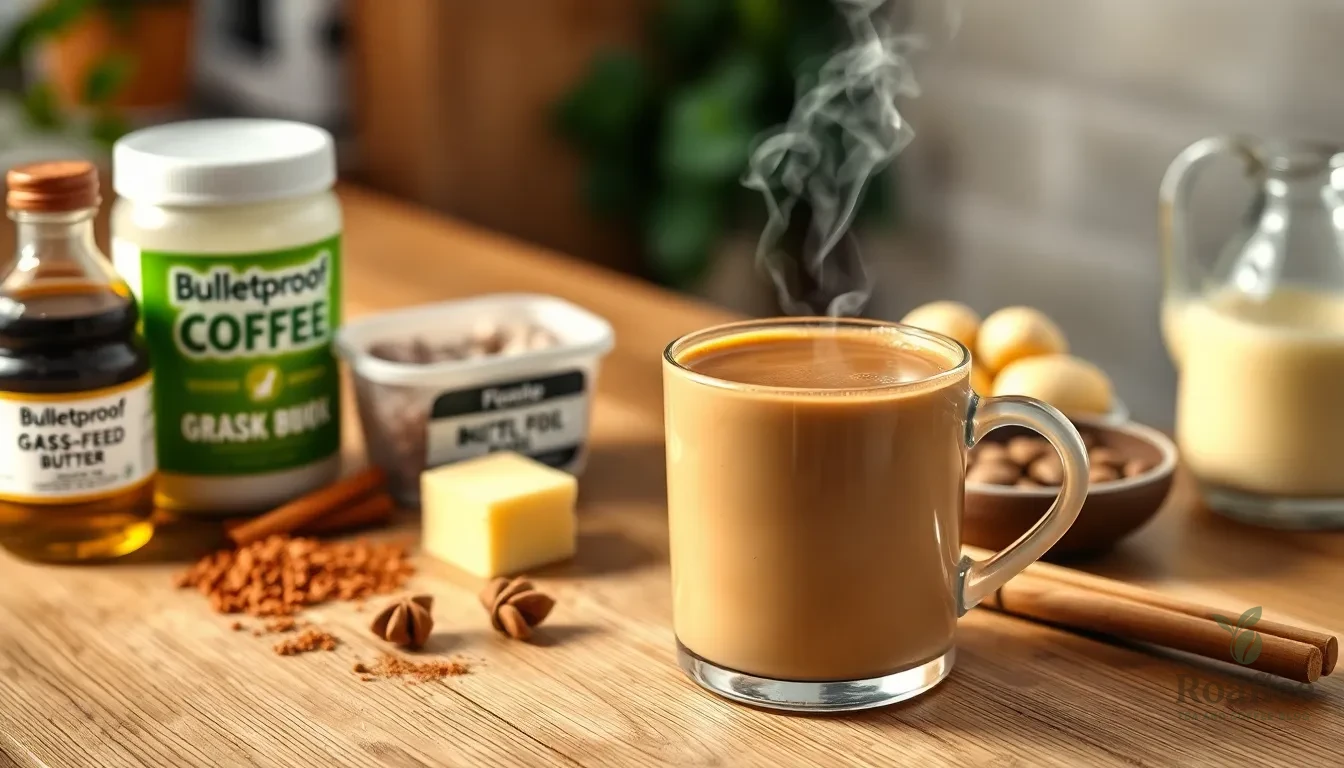
Bulletproof Coffee: High-Fat Energy Boost
Bulletproof coffee is a modern coffee innovation designed to provide sustained energy, mental focus, and a rich, creamy texture through the addition of healthy fats. Popularized by biohacker Dave Asprey, this beverage combines high-quality brewed coffee with unsalted grass-fed butter and medium-chain triglyceride (MCT) oil. The ingredients are blended together to create a frothy, smooth, and calorie-dense drink that serves as a replacement for breakfast for some enthusiasts. The preparation involves brewing fresh coffee, often using pour-over or drip methods to ensure clarity and flavor, then emulsifying the butter and MCT oil into the hot coffee using a blender to achieve a creamy texture similar to latte froth. Bulletproof coffee emphasizes the interaction between caffeine, fats, and flavor compounds, resulting in sustained energy, mental clarity, and a rich mouthfeel. The beverage supports ketogenic and low-carbohydrate dietary lifestyles while offering a satisfying and indulgent sensory experience. Beyond taste and nutrition, bulletproof coffee encourages mindfulness in preparation and consumption, requiring attention to coffee quality, ingredient ratios, and blending technique. Variations can include alternative coffee origins, grass-fed ghee, or additional flavorings like cinnamon, vanilla, or cocoa. The drink also highlights the functional aspect of coffee as a fuel for productivity, integrating culinary creativity with nutritional strategy. Mastery involves selecting optimal ingredients, refining blending technique, and understanding the balance between flavor, texture, and functional benefits. Overall, bulletproof coffee represents a fusion of culinary innovation, health consciousness, and sensory enjoyment, offering coffee enthusiasts a rich, creamy, and energizing beverage experience that goes beyond traditional coffee consumption.

Kopi Tubruk: Indonesian Traditional Coffee
Kopi Tubruk is a traditional Indonesian coffee preparation method known for its strong, full-bodied flavor and rustic simplicity. This method involves boiling coarse coffee grounds directly with water, often sweetened with sugar, allowing for a rich and intense extraction that produces a thick, aromatic beverage. Originating in Java and Bali, Kopi Tubruk is deeply embedded in Indonesian coffee culture, often enjoyed socially or as part of daily routines. Preparation involves placing coarsely ground coffee in a small pot or cup, adding hot water, and stirring to mix before allowing the grounds to settle. The coffee is typically unfiltered, resulting in sediment at the bottom of the cup, which is considered part of the authentic experience. Kopi Tubruk emphasizes patience, sensory awareness, and engagement, as drinkers must sip carefully to avoid grounds while enjoying the aroma, flavor, and texture of the coffee. Variations may include the addition of spices like cloves or cardamom, enhancing aromatic complexity, or condensed milk for sweetness. The drink highlights the inherent characteristics of locally grown beans, often robusta, with bold flavors, low acidity, and a pronounced body. Kopi Tubruk fosters cultural appreciation, connecting enthusiasts to Indonesian traditions, history, and coffee farming practices. Mastery involves selecting quality beans, controlling water temperature, and understanding the brewing ratio to achieve optimal taste and aroma. Beyond flavor, Kopi Tubruk provides a sensory, social, and cultural experience that engages taste, smell, and sight, offering insight into traditional coffee craftsmanship. Overall, Kopi Tubruk represents heritage, authenticity, and immersive coffee enjoyment, celebrating the depth, richness, and communal aspects of Indonesian coffee culture.

Café Bombón: Sweet Spanish Delight
Café Bombón is a traditional Spanish coffee beverage that combines equal parts espresso and sweetened condensed milk to create a visually appealing and indulgent drink. Originating in Valencia, Spain, this beverage emphasizes both flavor harmony and aesthetic presentation, often served in small, clear glasses to showcase the striking contrast between dark espresso and creamy milk. Preparation involves brewing a fresh, concentrated shot of espresso and carefully layering it over condensed milk without stirring, resulting in distinct layers that gradually mix as the drink is consumed. The condensed milk provides sweetness, creaminess, and body, balancing the espresso’s natural bitterness and intensity. Café Bombón is often enjoyed as a treat, dessert coffee, or afternoon indulgence, providing both sensory satisfaction and a visually delightful experience. Variations may include flavor additions such as chocolate, cinnamon, or vanilla, further enhancing the beverage’s richness and appeal. Mastery of café Bombón preparation requires precision in espresso extraction, milk consistency, and layering technique to achieve the signature visual effect and flavor balance. The drink highlights the interplay of aroma, taste, texture, and visual aesthetics, creating a multisensory coffee experience. Beyond taste, café Bombón embodies indulgence, elegance, and cultural tradition, reflecting Spanish coffee culture’s creativity and attention to presentation. Overall, it provides coffee enthusiasts with a sweet, rich, and visually captivating beverage that celebrates balance, craftsmanship, and sensory enjoyment, making it a favorite for those seeking both flavor and sophistication in a small, potent coffee serving.

Mazagran: Iced Coffee from Algeria
Mazagran is a traditional Algerian coffee beverage that blends strong brewed coffee with ice and sometimes a touch of lemon, creating a refreshing, aromatic, and lightly caffeinated drink. Considered one of the earliest forms of iced coffee, Mazagran originated in the city of the same name during the French colonial period and quickly gained popularity in Mediterranean regions. The preparation involves brewing coffee using a strong method, such as espresso or drip, and pouring it over ice in a tall glass. Some variations incorporate lemon juice to add brightness and a subtle acidity that complements the coffee’s natural flavors, while others include sugar or sweeteners to balance bitterness. Mazagran emphasizes clarity, freshness, and refreshment, highlighting the coffee’s aromatic notes and preserving flavor integrity despite chilling. The drink encourages experimentation with coffee origin, roast level, brewing method, and lemon proportion, offering endless possibilities for flavor exploration. Beyond taste, Mazagran embodies cultural heritage, historical significance, and social engagement, often enjoyed in cafes or as a refreshing beverage during warm weather. Mastery of Mazagran involves selecting high-quality coffee beans, brewing at optimal strength, and balancing ice and lemon to maintain flavor integrity while achieving a crisp, refreshing mouthfeel. The beverage provides a multisensory experience, combining aroma, temperature, visual appeal, and taste to create an invigorating and satisfying coffee encounter. Mazagran also serves as inspiration for modern iced coffee innovations, illustrating the potential of simplicity and creativity in coffee preparation. Overall, Mazagran represents a unique and historical approach to iced coffee, offering enthusiasts a refreshing, flavorful, and culturally rich beverage that highlights balance, precision, and sensory enjoyment.
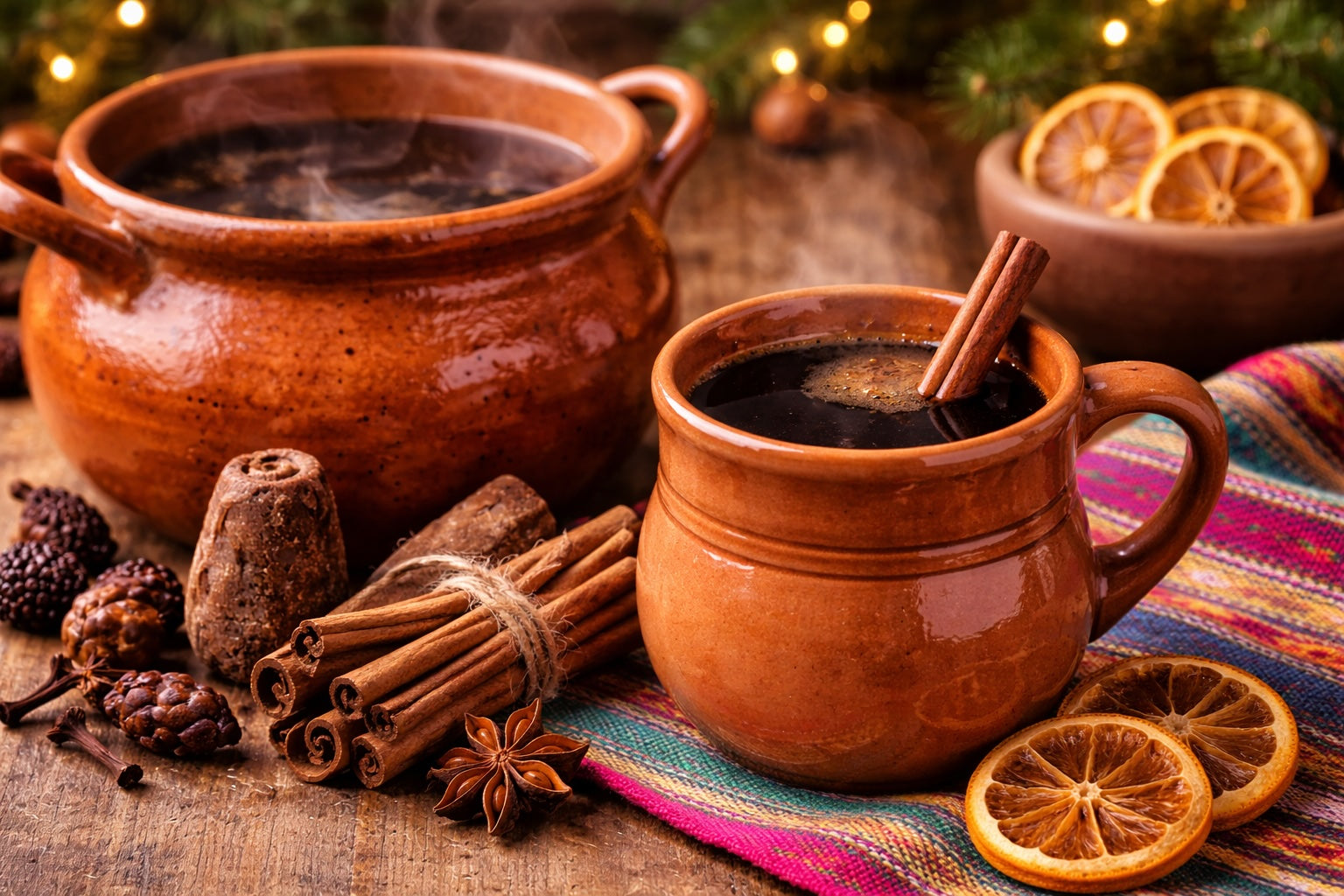
Café de Olla: Mexican Spiced Coffee
Café de Olla is a traditional Mexican coffee preparation that combines rich coffee with aromatic spices, such as cinnamon and piloncillo, a type of unrefined cane sugar, to create a warm, flavorful, and culturally significant beverage. Originating in the highlands of Mexico, café de olla is typically brewed in a clay pot, which is believed to enhance flavor and aroma while imparting a rustic earthiness to the coffee. The preparation begins by combining water, coffee grounds, cinnamon sticks, and piloncillo in a pot, then bringing the mixture to a gentle boil before allowing it to steep. The resulting beverage is deeply aromatic, sweet, slightly spiced, and full-bodied, offering a comforting and complex flavor profile that is both invigorating and soothing. Café de olla emphasizes traditional methods, sensory engagement, and appreciation of cultural heritage, highlighting the interplay of taste, aroma, and ritual in coffee enjoyment. Variations may include additional spices, such as cloves or star anise, or the use of alternative sweeteners, allowing flexibility while maintaining authenticity. Mastery involves precise control of water temperature, brewing time, and ingredient ratios to achieve optimal balance between coffee strength, sweetness, and spice intensity. Beyond taste, café de olla serves as a medium for cultural expression, social connection, and festive celebration, often enjoyed during family gatherings, holidays, or special occasions. The beverage engages multiple senses, from the scent of cinnamon and piloncillo to the rich, sweet, and spicy flavor experienced on the palate. Café de olla exemplifies the harmonious fusion of flavor, tradition, and sensory experience, offering coffee enthusiasts a deeply satisfying, culturally rich, and aromatic beverage that highlights the artistry and heritage of Mexican coffee culture.
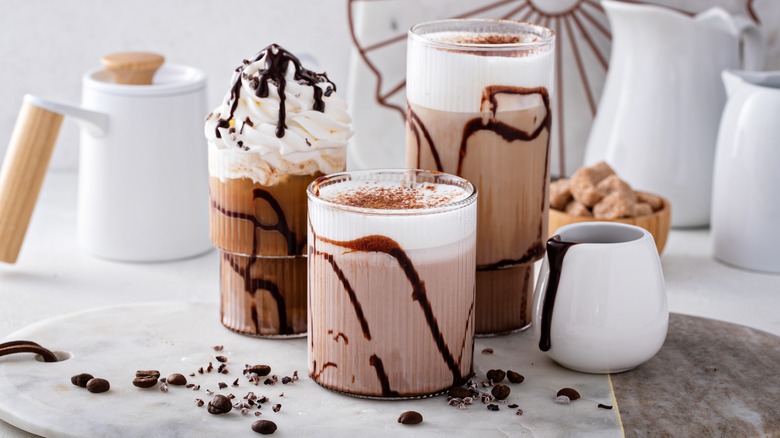
Mazagran Mocha: Chocolate Twist on Classic Iced Coffee
Mazagran Mocha is a modern adaptation of the traditional Algerian Mazagran, adding a chocolate element to the refreshing iced coffee beverage. This drink combines the crisp, aromatic qualities of strong brewed coffee with the sweetness and depth of chocolate syrup or cocoa powder, served over ice to preserve the coffee’s clarity and refreshment. Preparation begins with brewing high-quality coffee, ensuring boldness and flavor concentration. The brewed coffee is mixed with chocolate, adjusting sweetness to taste, then poured over ice in a tall glass. Optional additions include lemon juice, milk, or whipped cream, depending on the desired flavor profile and complexity. Mazagran Mocha emphasizes balance, refreshment, and flavor layering, highlighting the interplay between the coffee’s natural bitterness, the chocolate’s richness, and the icy chill that preserves clarity. This beverage allows for creative experimentation with coffee origin, roast level, chocolate type, and additional flavorings, making it both a traditional-inspired and contemporary beverage. Beyond taste, Mazagran Mocha embodies cultural fusion, innovation, and multisensory engagement, appealing to enthusiasts who enjoy both classic coffee traditions and modern twists. Mastery involves selecting quality ingredients, optimizing brewing strength, balancing chocolate and coffee proportions, and achieving proper dilution and ice integration. The drink engages aroma, visual appeal, temperature contrast, and flavor depth, providing a holistic coffee experience. Overall, Mazagran Mocha represents creativity, refreshment, and sensory richness, offering coffee enthusiasts a satisfying, aromatic, and culturally nuanced iced coffee beverage with a chocolate twist.

Swedish Fika Coffee: Pause and Savor
Swedish Fika coffee is a cultural tradition that emphasizes the enjoyment of coffee as a pause in daily life, often accompanied by pastries, conversation, and mindfulness. 'Fika' is both a noun and a verb in Swedish culture, reflecting the act of taking time to savor coffee and connect socially. Typically, Fika coffee involves medium-strength brewed coffee, such as drip or pour-over, allowing the coffee’s flavor and aroma to be appreciated without overwhelming bitterness. The beverage is often served alongside traditional Swedish pastries like cinnamon buns, cardamom rolls, or cookies, creating a multisensory experience that combines taste, smell, and social enjoyment. The preparation of Fika coffee focuses on clarity, balance, and accessibility, with the goal of creating a smooth, approachable beverage that complements food and conversation. This tradition emphasizes intentionality, patience, and engagement with the sensory experience, fostering relaxation, mindfulness, and social bonding. Mastery of Fika coffee involves understanding coffee strength, brewing consistency, and timing to create an inviting and flavorful cup, as well as appreciating the cultural context and rituals surrounding its consumption. Beyond flavor, Fika embodies values of work-life balance, communal enjoyment, and reflection, making coffee a medium for emotional and social connection. The practice encourages coffee enthusiasts to slow down, savor aromas and flavors, and share moments with others, highlighting the role of coffee as more than a beverage but as a cultural and social experience. Overall, Swedish Fika coffee represents balance, mindfulness, and cultural appreciation, offering a refined, approachable, and enriching coffee experience that celebrates both flavor and human connection.

Iced Latte: Refreshing Espresso-Based Drink
Iced latte is a popular coffee beverage that combines espresso with cold milk and ice, offering a smooth, refreshing, and versatile drink that balances caffeine content with creamy texture. Preparation begins with brewing one or more shots of espresso using high-quality freshly ground coffee, ensuring a rich, aromatic, and full-bodied base. The espresso is then poured over ice in a tall glass, followed by cold milk, which can be dairy or plant-based, creating a harmonious blend of intensity, creaminess, and refreshment. The iced latte allows for creative adaptations, including flavored syrups, sweeteners, or alternative milk options, while maintaining the essential balance of espresso and milk. The drink emphasizes temperature, dilution, and proportion, as too much ice or milk can affect flavor clarity and body. Iced lattes highlight espresso flavor while offering a cooling, enjoyable experience, making them ideal for warm weather or casual consumption. Beyond taste, iced lattes encourage mindfulness, experimentation, and sensory engagement, as drinkers observe the layering, aroma, and interplay of flavors. Mastery involves selecting coffee beans, brewing strength, milk ratio, and ice quantity to achieve a balanced and refreshing cup. The beverage embodies versatility, accessibility, and sensory satisfaction, providing coffee enthusiasts with an enjoyable, approachable, and customizable experience. Overall, iced latte represents the modern, refreshing evolution of espresso-based drinks, offering flavor, creaminess, and aesthetic appeal, making it a staple in specialty coffee culture and everyday coffee enjoyment.

Cold Brew Coffee: Smooth and Low-Acidity
Cold brew coffee is a modern and increasingly popular method of preparing coffee that emphasizes smoothness, low acidity, and enhanced flavor complexity. Unlike traditional hot brewing methods, cold brew involves steeping coarsely ground coffee beans in cold or room-temperature water for an extended period, typically between 12 to 24 hours. This prolonged extraction allows soluble compounds to infuse gradually, producing a beverage that is less bitter, less acidic, and highly aromatic. Cold brew is often served over ice or diluted with water, milk, or cream, creating a refreshing and versatile drink suitable for warm climates, casual enjoyment, or as a base for specialty beverages. The process highlights attention to coffee origin, grind size, brewing ratio, and steeping time, as these variables significantly impact flavor balance, mouthfeel, and strength. High-quality beans are essential for producing a nuanced, flavorful cup, with origins ranging from single-origin Arabica to blended roasts that bring layered notes such as chocolate, caramel, citrus, or floral tones. Cold brew coffee encourages experimentation, including variations in steeping duration, water temperature, filtration techniques, and flavor additions, offering enthusiasts creative control over the final beverage. Beyond taste, cold brew fosters appreciation of extraction principles, sensory awareness, and patience, as the long brewing process requires careful planning and anticipation. The drink engages multiple senses, including visual presentation, aroma, taste, and texture, with a naturally smooth and slightly sweet mouthfeel. Cold brew has also influenced contemporary coffee culture, inspiring iced lattes, flavored beverages, and innovative coffee cocktails, demonstrating its versatility and appeal to a broad audience. Mastery involves understanding bean selection, water-to-coffee ratios, steeping methods, and proper storage to maintain freshness and flavor integrity. Overall, cold brew coffee exemplifies modern coffee innovation, offering a low-acidity, smooth, and flavorful experience that emphasizes patience, craftsmanship, and sensory enjoyment, appealing to both casual drinkers and specialty coffee enthusiasts alike.
Nitro Coffee: Creamy and Effervescent Espresso
Nitro coffee is a contemporary coffee beverage that combines cold brew coffee with nitrogen infusion, resulting in a creamy, effervescent, and visually captivating drink. Inspired by draft beer presentation, nitro coffee is served from a tap, creating cascading bubbles and a rich, velvety head that enhances aroma and mouthfeel. Preparation involves cold brewing high-quality coffee for 12–24 hours, filtering it to achieve clarity, and infusing it with nitrogen gas under pressure. The nitrogen creates microbubbles, giving the coffee a smooth, creamy texture without the addition of milk or cream, and accentuating the natural sweetness and subtle flavor notes of the beans. Nitro coffee emphasizes sensory engagement, offering a visual spectacle alongside a unique drinking experience, with enhanced aroma and flavor perception due to the nitrogen’s effect on volatile compounds. Flavor notes often include chocolate, caramel, nuts, or citrus, depending on bean origin and roast, and the texture is markedly creamy and velvety, often described as similar to stout beer. Beyond flavor, nitro coffee represents innovation, modern coffee culture, and technical skill, requiring precise brewing, filtration, and gas infusion to maintain quality and consistency. It encourages experimentation with coffee beans, brewing strength, nitrogen pressure, and presentation techniques, highlighting both craftsmanship and creativity. Nitro coffee also appeals to health-conscious consumers seeking dairy-free creamy textures, as the nitrogen creates richness without added fats. Mastery involves understanding coffee extraction, infusion techniques, temperature control, and sensory evaluation, ensuring an optimal balance of aroma, texture, and taste. Overall, nitro coffee exemplifies innovation, craftsmanship, and sensory delight, offering coffee enthusiasts a unique, creamy, effervescent, and visually captivating experience that transforms traditional cold coffee into a modern, artisanal beverage.

Japanese Iced Coffee: Precision and Clarity
Japanese iced coffee, also known as flash-brewed iced coffee, is a method that emphasizes precision, flavor clarity, and aroma preservation. Unlike traditional cold brewing, Japanese iced coffee involves brewing hot coffee directly over ice, immediately chilling the coffee and locking in volatile aromatic compounds that might otherwise dissipate. The process typically uses a pour-over method, such as a Hario V60 or Chemex, with carefully controlled water temperature, pouring technique, and coffee-to-ice ratio to achieve optimal flavor extraction. The result is a crisp, clean, aromatic coffee with bright notes, low bitterness, and a refreshing profile suitable for warm climates or hot-weather enjoyment. Japanese iced coffee encourages attention to detail, including grind size, brewing time, and water temperature, as slight variations can significantly impact flavor balance and clarity. It allows for experimentation with coffee origins, roast profiles, and ice quantities, creating a versatile beverage with distinct sensory characteristics. The method highlights aroma, acidity, and subtle flavor nuances, often emphasizing fruity, floral, or chocolatey notes inherent to the beans. Beyond taste, Japanese iced coffee represents craftsmanship, precision, and an appreciation for technique, emphasizing the intersection of science and artistry in coffee preparation. Mastery involves understanding coffee extraction principles, timing, pouring technique, and temperature control to consistently produce a flavorful, balanced, and visually appealing cup. The beverage engages multiple senses, including sight, aroma, taste, and temperature contrast, offering a dynamic and refreshing coffee experience. Overall, Japanese iced coffee exemplifies precision, sensory engagement, and versatility, providing coffee enthusiasts with a bright, clean, and refreshing beverage that showcases both the skill of the brewer and the intrinsic qualities of the coffee beans.
/turkish-coffee-recipe-2355497-hero-02-b14bd83fe6114322af9d8040801e8391.jpg)
Turkish Coffee: Thick, Aromatic, and Ritualistic
Turkish coffee is one of the oldest and most traditional coffee preparation methods, renowned for its thick, rich, and aromatic qualities as well as its cultural and ritual significance. It is made by finely grinding coffee beans into a powder-like consistency and slowly brewing them in a small pot called a cezve, often with sugar and sometimes cardamom. The brewing process involves gentle heating over low heat, allowing the coffee to foam and develop intense aroma and flavor without boiling. Turkish coffee is served unfiltered in small cups, with sediment settling at the bottom, providing a distinctive texture and ritualistic drinking experience. The beverage emphasizes patience, mindfulness, and attention to detail, as slight variations in heat, brewing time, or coffee-to-water ratio can greatly affect flavor and consistency. Turkish coffee embodies social and cultural traditions, often associated with hospitality, conversation, fortune-telling, and ceremonial occasions. Flavor notes typically include chocolate, nutty undertones, floral aroma, and a pronounced body, while the unfiltered sediment provides a unique tactile element. Mastery involves grinding beans to the correct fineness, controlling heat, managing foam, and achieving balance between strength, sweetness, and aroma. Beyond taste, Turkish coffee represents cultural heritage, ritual, and multisensory engagement, highlighting the connection between coffee and human interaction. Overall, Turkish coffee offers a thick, aromatic, and immersive experience that celebrates tradition, craftsmanship, and the sensory depth of coffee, providing enthusiasts with both flavor satisfaction and cultural enrichment.
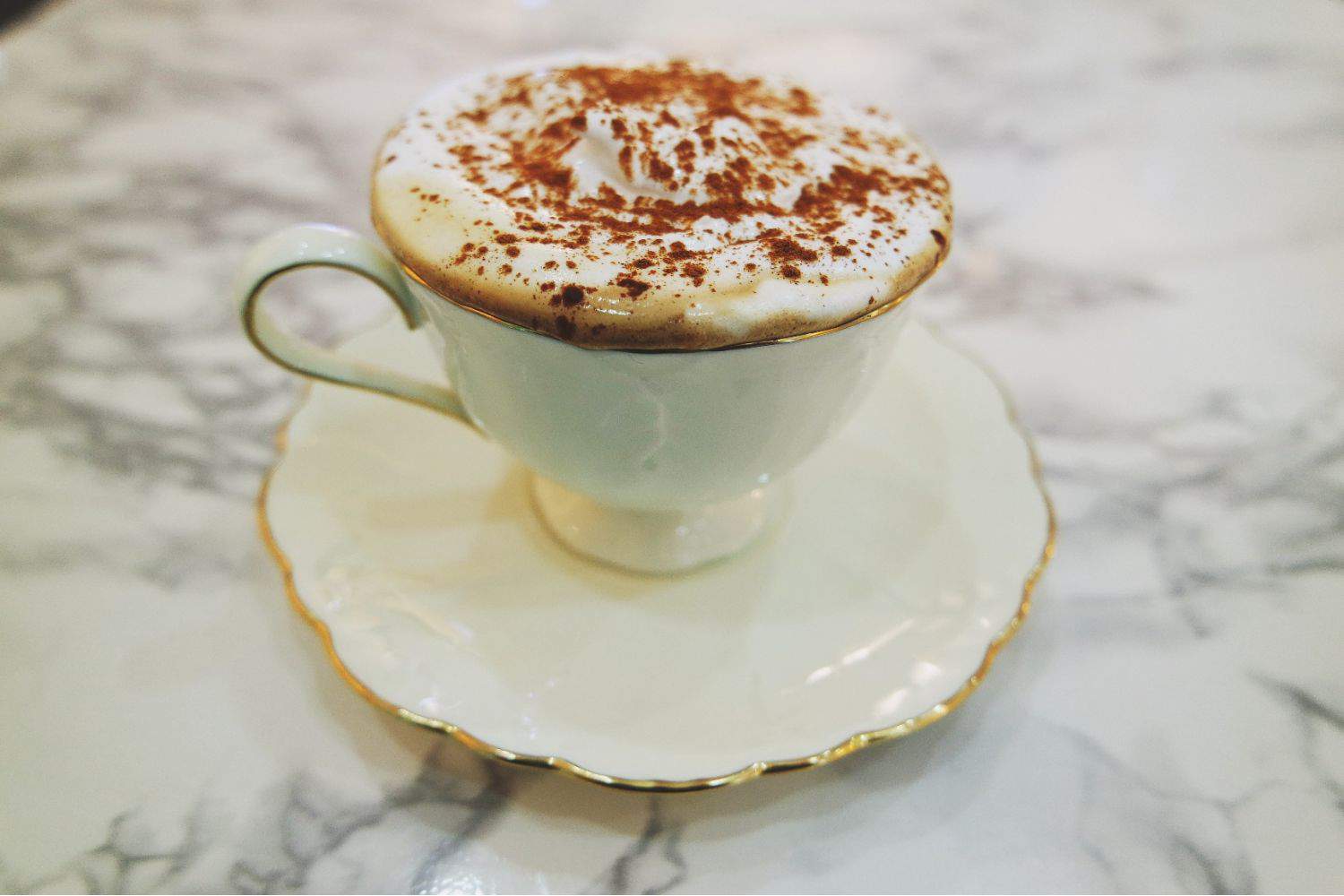
Viennese Melange: Coffee Elegance with Foam
The Viennese Melange is a sophisticated coffee beverage that originated in Austria and is often considered a classic representation of Viennese coffeehouse culture. It is made by combining a shot of espresso or strong brewed coffee with steamed milk, topped with a light, airy layer of milk foam, creating a smooth, creamy, and visually appealing drink. The Melange emphasizes the harmonious balance between coffee intensity and milk sweetness, allowing the drinker to appreciate nuanced flavor notes from chocolate, nuts, and subtle floral undertones. Traditionally served in tall glasses or porcelain cups, it often features decorative foam patterns or a sprinkling of cocoa powder for added visual and aromatic appeal. Preparation requires attention to espresso extraction, milk steaming, foam texture, and temperature, ensuring consistency, flavor balance, and sensory pleasure. Viennese Melange is enjoyed in cafes or at home, often paired with pastries such as croissants or strudels, creating a complete and indulgent coffee experience. The beverage embodies cultural sophistication, social enjoyment, and meticulous craftsmanship, reflecting the longstanding coffee traditions of Vienna. Mastery involves controlling coffee strength, milk texture, and foam stability, as well as understanding the interplay of temperature, aroma, and taste. Beyond flavor, the Melange engages multiple senses, combining sight, smell, texture, and taste to provide a luxurious and immersive experience. Overall, Viennese Melange exemplifies elegance, balance, and cultural richness, offering coffee enthusiasts a refined, creamy, and aromatic beverage that celebrates both tradition and craftsmanship in every sip.