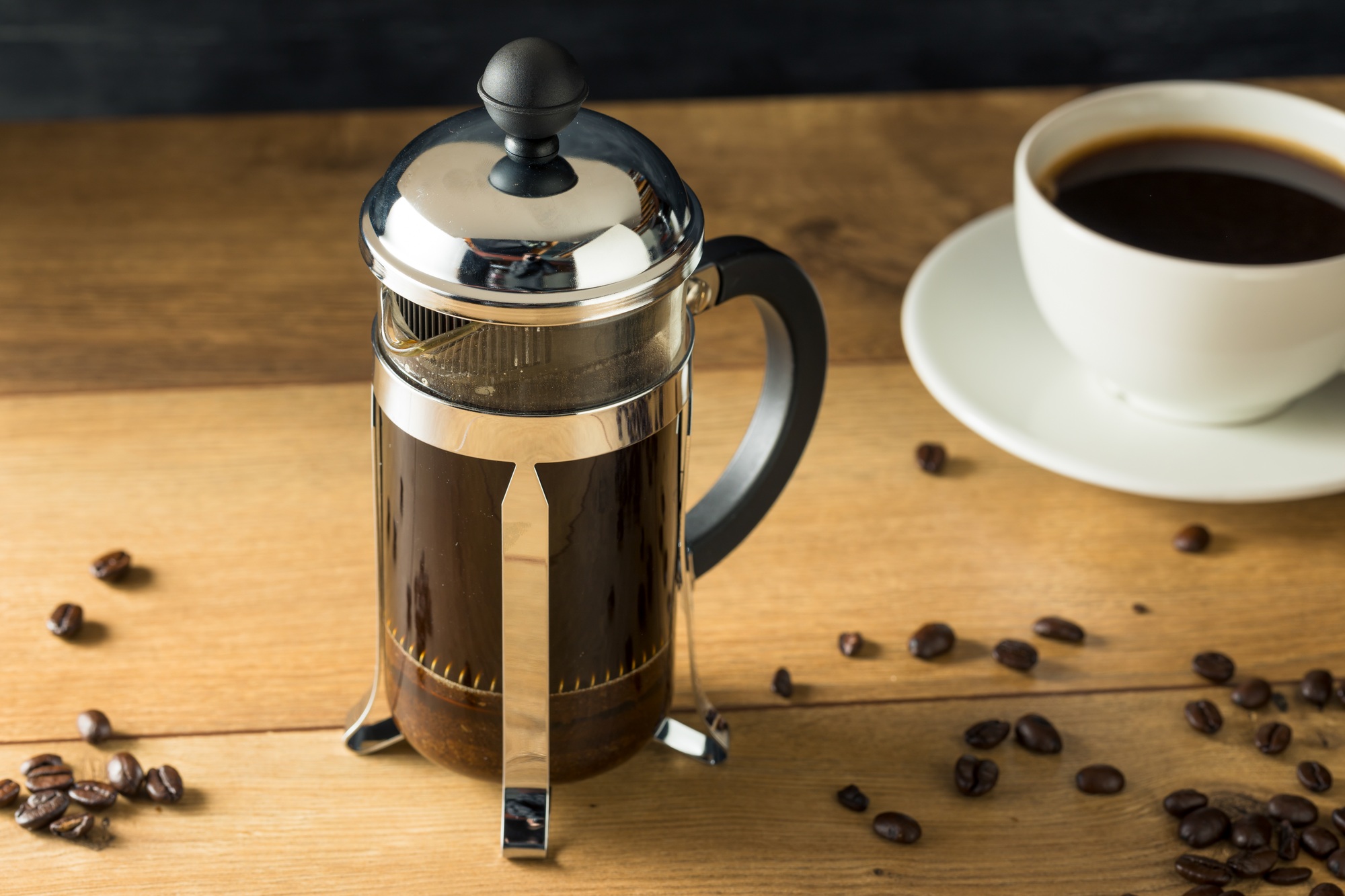
Mastering French Press Coffee
French press coffee, also known as press pot or plunger pot coffee, is a classic brewing method that offers full-bodied flavor and a rich, aromatic experience. Unlike drip coffee, which filters out oils and fine particles, the French press uses a metal mesh plunger that allows these elements to remain in the final cup, creating a thicker mouthfeel and enhanced flavor complexity. Brewing with a French press begins with coarsely ground coffee, which prevents over-extraction and ensures smoothness. The recommended ratio is generally one gram of coffee per fifteen to seventeen grams of water, though this can be adjusted based on personal taste preferences. Water should be heated to just below boiling, around 195–205°F (90–96°C), and poured over the coffee grounds evenly, allowing them to bloom for thirty to forty seconds. After adding the full amount of water, the brew is steeped for approximately four minutes, though variations in steeping time can adjust the strength and flavor profile of the coffee. Once steeping is complete, the plunger is gently pressed down to separate the grounds from the liquid. French press coffee is celebrated for its ability to highlight the natural flavors of the bean, including chocolate, nutty, and fruity notes, while providing a full-bodied and satisfying cup. This method encourages experimentation with grind size, coffee-to-water ratio, steeping time, and water temperature, allowing enthusiasts to refine their technique and develop their preferred flavor profile. Beyond the technical aspects, French press brewing also emphasizes ritual and enjoyment, as the process engages multiple senses—sound, aroma, and sight—along with taste. Mastering the French press provides coffee drinkers with a deeper understanding of how brewing variables affect the final cup, promoting appreciation for both the science and artistry behind coffee. Additionally, French press coffee is versatile and can be brewed in small quantities for individual enjoyment or larger batches for group settings. The immersive and hands-on nature of this method makes it an enduring favorite among coffee aficionados worldwide.

Espresso: The Heart of Coffee Culture
Espresso is the foundation of modern coffee culture, celebrated for its concentrated flavor, creamy texture, and versatility in beverages such as lattes, cappuccinos, and Americanos. The espresso brewing process involves forcing hot water through finely ground coffee at high pressure, typically around nine bars, extracting the coffee’s oils, aroma, and soluble solids in a short amount of time, usually 25–30 seconds. Precision is crucial in espresso preparation, including grind size, tamping pressure, water temperature, and dose. A fine grind is essential to ensure proper extraction, while even tamping distributes the coffee uniformly in the portafilter. The temperature of the water should be consistently maintained between 195–205°F (90–96°C), and the ratio of coffee to water should be calibrated to achieve balance, typically around 18–20 grams of coffee for a double shot. Espresso is prized for its crema, a golden layer of emulsified oils and carbon dioxide that forms on top of a freshly pulled shot, indicating proper extraction and freshness. Skilled baristas manipulate variables such as extraction time, pressure profiling, and pre-infusion to bring out desired flavor notes, ranging from fruity and floral to chocolatey and nutty. Espresso is not only a beverage but a craft that requires knowledge, experience, and sensory awareness, as subtle changes in technique can significantly impact the final taste. The espresso experience extends beyond flavor to include aroma, body, and mouthfeel, creating a sensory-rich ritual for enthusiasts. Additionally, espresso culture has influenced global coffee trends, inspiring cafes, competitions, and innovations in brewing equipment. Mastering espresso involves both science and art, offering endless opportunities for refinement, creativity, and appreciation of coffee’s complexity. The precision, intensity, and sensory engagement of espresso make it an essential pillar of coffee culture, appealing to both professional baristas and passionate home brewers.

A Guide to Cold Brew Coffee
Cold brew coffee has gained immense popularity in recent years due to its smooth, mellow flavor and low acidity compared to traditional hot brewing methods. Unlike hot coffee, which extracts flavors quickly with heat, cold brew relies on extended steeping at low temperatures, typically for 12–24 hours, allowing for a slow and even extraction. This method brings out subtle sweetness, rich body, and nuanced flavor notes in the coffee, making it ideal for those sensitive to bitterness. To make cold brew, coarsely ground coffee is combined with cold or room temperature water at a ratio often around 1:4 to 1:8, depending on desired strength. The mixture is then steeped in a refrigerator or cool environment, filtered to remove grounds, and served chilled, over ice, or diluted with water, milk, or cream. Cold brew can also serve as a base for iced coffee beverages, cocktails, or dessert drinks, offering versatility for both home brewing and commercial cafes. Selecting quality beans, preferably freshly roasted and medium to dark roasted for richer flavor, enhances the experience. Cold brew emphasizes patience and technique, as grind size, steeping time, and water-to-coffee ratio all significantly influence the final cup. Its smooth texture, balanced sweetness, and reduced acidity make it a refreshing and approachable option for everyday consumption, particularly in warm climates. Cold brew also offers practical advantages, including the ability to brew in large batches, store for several days without losing flavor, and customize with syrups, milk alternatives, or flavor infusions. The method embodies a blend of science, craft, and creativity, rewarding enthusiasts with a coffee experience that is both refreshing and satisfying, highlighting the complexity and artistry of coffee brewing. Overall, cold brew has redefined modern coffee enjoyment by providing a versatile, flavorful, and accessible alternative to traditional hot coffee.

Aeropress: Innovation in Brewing
The Aeropress is a unique and versatile coffee brewing device designed to provide fast, consistent, and flavorful coffee, combining elements of immersion and pressure brewing. Invented in 2005 by Alan Adler, the Aeropress consists of a cylindrical chamber and plunger, allowing users to steep coffee grounds in water and then press the brewed coffee through a filter into a cup. This method provides control over variables such as water temperature, grind size, steeping time, and pressure, enabling experimentation to achieve desired flavor profiles. Typically, medium-fine to fine ground coffee is used, with water heated to approximately 175–205°F (80–96°C). Steeping time can vary between 1–3 minutes, followed by pressing with steady pressure to extract the coffee. The resulting cup is clean, smooth, and aromatic, with low bitterness and a well-balanced body. Aeropress is prized for its portability, ease of cleaning, and adaptability, supporting multiple brewing techniques including standard, inverted, and espresso-style presses. Coffee enthusiasts appreciate the device for its ability to highlight the subtle nuances of coffee beans, allowing experimentation with ratios, grind sizes, and water temperatures to fine-tune flavor. It has inspired a global community of brewers, competitions, and creative recipes. Beyond technical precision, the Aeropress fosters a hands-on, engaging brewing experience that emphasizes both craft and creativity, encouraging exploration and learning. Its unique combination of immersion and pressure extraction offers a distinctive alternative to traditional methods such as drip, French press, or espresso. Overall, the Aeropress exemplifies innovation, versatility, and accessibility in coffee brewing, providing both professional baristas and home enthusiasts with a powerful tool to explore the full potential of coffee flavor and aroma.

Chemex: Elegant Coffee Brewing
The Chemex coffee maker is a pour-over style brewer renowned for its elegant design and ability to produce a clean, flavorful cup of coffee. Invented by Peter Schlumbohm in 1941, the Chemex utilizes a specially designed paper filter that is thicker than standard filters, which removes most oils and fine particles, resulting in a clear, bright, and aromatic brew. The process requires attention to detail, including selecting freshly roasted beans, grinding them to a medium-coarse consistency, and maintaining precise water temperature between 195–205°F (90–96°C). The brewing begins with a bloom, where a small amount of water is poured over the coffee grounds to release trapped carbon dioxide, enhancing flavor extraction. Water is then poured slowly in circular motions to ensure even saturation and consistent extraction throughout the coffee bed. Chemex brewing allows for adjustments in coffee-to-water ratios, pouring speed, and grind size, giving the brewer the ability to highlight different flavor notes, from fruity and floral to nutty and chocolatey. The aesthetic appeal of the Chemex, with its hourglass glass body and wooden collar, adds a ritualistic and sensory dimension to coffee preparation. The brewing process emphasizes mindfulness, precision, and the art of observation, transforming the act of making coffee into an engaging experience. Chemex coffee is particularly appreciated in specialty coffee circles for its clarity, balance, and ability to showcase the unique characteristics of single-origin beans. Beyond taste, the Chemex exemplifies the marriage of design and functionality, making it both a visual and practical centerpiece for coffee enthusiasts. Mastering Chemex brewing requires practice and patience, allowing the brewer to refine technique and achieve consistently high-quality cups. Its emphasis on control, artistry, and sensory engagement makes the Chemex a favorite among those seeking a sophisticated and rewarding coffee experience, bridging the gap between science and ritual in daily coffee enjoyment.

Siphon Coffee: Science Meets Art
Siphon coffee, also known as vacuum coffee, is a visually stunning and technically precise brewing method that combines principles of physics with the artistry of coffee preparation. The siphon brewer consists of two chambers connected by a tube, with water heated in the lower chamber, forcing it to rise into the upper chamber where it mixes with coffee grounds. Once the heat is removed, gravity and vacuum pressure draw the brewed coffee back into the lower chamber, leaving spent grounds behind. This method highlights the intricate balance between water temperature, grind size, and brewing time, providing a clean, flavorful, and aromatic cup with vibrant clarity and nuanced flavor notes. Siphon brewing emphasizes precision and control, requiring careful monitoring of heat, agitation, and timing. The process allows for full immersion of the coffee grounds, enhancing extraction of soluble compounds, while the cloth or metal filter ensures sediment is minimized. Siphon coffee is celebrated for its complexity, both in the sensory experience and in the brewing ritual, with the captivating spectacle of the rising and falling liquid engaging multiple senses. The technique encourages experimentation, with adjustments in grind size, coffee-to-water ratio, and brewing time significantly affecting flavor profiles, ranging from floral and fruity to chocolaty and nutty. Beyond taste, siphon coffee embodies a sense of elegance, craftsmanship, and scientific curiosity, making it a favorite among enthusiasts who appreciate the intersection of chemistry and artistry. The method also serves as a showcase for specialty beans, allowing their unique qualities to shine through in a balanced and refined cup. Mastery of siphon coffee fosters patience, attention to detail, and a deeper understanding of extraction principles, elevating the act of brewing into a captivating and immersive experience. Overall, siphon coffee offers a harmonious combination of science, art, and sensory pleasure, making it one of the most sophisticated and engaging methods of coffee preparation.

Moka Pot: Classic Espresso at Home
The Moka pot, often referred to as the stovetop espresso maker, is a timeless and accessible method of brewing strong, concentrated coffee at home. Invented by Alfonso Bialetti in 1933, the Moka pot consists of three chambers: a bottom chamber for water, a middle funnel for coffee grounds, and a top chamber for collecting brewed coffee. When heated, water in the bottom chamber turns to steam, creating pressure that pushes hot water through the coffee grounds and into the top chamber. The resulting brew is rich, robust, and full-bodied, with flavors that bridge traditional espresso and strong drip coffee. Key factors for successful Moka pot brewing include using freshly ground coffee with a medium-fine consistency, maintaining consistent heat, and avoiding overfilling or compacting the coffee grounds, which can lead to bitter or uneven extraction. The technique requires attention to timing and sensory cues, such as the sound of bubbling and the aroma released during brewing, to ensure optimal results. Moka pot coffee is particularly appreciated for its convenience, affordability, and the ability to produce a concentrated and aromatic cup without specialized equipment. It also encourages experimentation, allowing adjustments in grind size, water temperature, and coffee-to-water ratio to achieve desired flavor profiles. Beyond taste, the Moka pot has become an iconic symbol of coffee culture, representing the ritualistic and social aspects of coffee preparation, especially in European households. Its design and function blend simplicity, efficiency, and tradition, providing a hands-on brewing experience that connects enthusiasts to the art of coffee making. Mastering the Moka pot develops both technical skill and appreciation for the nuanced flavors of coffee, offering a consistent and enjoyable way to enjoy espresso-style beverages at home. Overall, the Moka pot exemplifies practicality, heritage, and the satisfying craftsmanship of home brewing, making it a beloved method for coffee lovers worldwide.
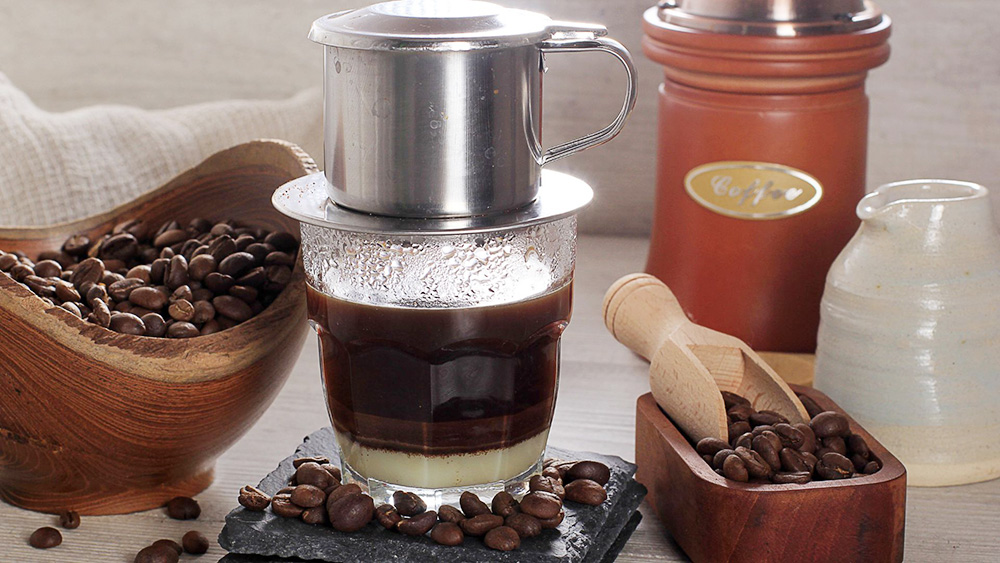
Vietnamese Coffee: Bold and Sweet
Vietnamese coffee is a distinctive style of brewing that combines robust coffee flavors with sweetened condensed milk, resulting in a rich, creamy, and indulgent beverage. Traditionally brewed using a small metal drip filter called a 'phin,' the method involves placing ground coffee in the filter, slowly dripping hot water through the grounds, and allowing the concentrated coffee to mix with condensed milk in a glass or cup. Vietnamese coffee uses dark roasted beans, often robusta, which provide bold, earthy, and slightly bitter flavors that complement the sweetness of the condensed milk. The brewing process is slow and deliberate, with each cup taking several minutes to drip, encouraging a mindful and engaging experience. Vietnamese iced coffee, or cà phê sữa đá, is a popular variation served over ice, providing a refreshing yet intense drink ideal for warm climates. This method emphasizes balance between strength, sweetness, and texture, resulting in a beverage that is both flavorful and satisfying. Beyond taste, Vietnamese coffee culture reflects the social and leisurely aspects of coffee drinking, often enjoyed in cafes with friends, family, or during moments of quiet reflection. The simplicity of the phin, combined with the depth of flavor it produces, highlights the ingenuity and tradition of Vietnamese coffee practices. Mastery of this method involves selecting quality beans, controlling grind size, water temperature, and drip rate, as well as achieving the right balance with condensed milk. Vietnamese coffee provides a unique sensory experience, engaging taste, aroma, and visual appeal, while celebrating heritage and ritual in everyday life. Overall, it is a bold, sweet, and culturally rich approach to coffee preparation, offering enthusiasts a flavorful and immersive journey into traditional brewing techniques.
Single-Origin Coffee: Exploring Terroir
Single-origin coffee emphasizes the unique flavors and characteristics of beans sourced from a specific region, farm, or cooperative, offering enthusiasts an opportunity to explore terroir, climate, and cultivation methods. Unlike blended coffees, which combine beans from multiple sources to achieve a consistent flavor profile, single-origin coffee highlights the inherent qualities of a particular location, such as soil, altitude, rainfall, and processing techniques. Brewing single-origin coffee requires attention to extraction variables, including grind size, water temperature, brewing method, and coffee-to-water ratio, to capture the bean's full spectrum of flavors. Methods such as pour-over, Aeropress, Chemex, and siphon are particularly popular for highlighting single-origin characteristics. These coffees can present a wide range of flavor notes, from floral and fruity to chocolatey, nutty, and earthy, depending on origin and roast level. Single-origin coffee encourages experimentation and appreciation of subtle nuances, as each batch may vary slightly, reflecting seasonal and environmental changes. Coffee professionals and enthusiasts often engage in cupping sessions to evaluate aroma, acidity, body, and sweetness, gaining deeper understanding and sensory awareness. Single-origin coffee also promotes transparency and ethical sourcing, as many producers prioritize sustainable farming practices, fair compensation, and traceability. This approach fosters a connection between the consumer, the coffee grower, and the land where the beans are cultivated. By exploring single-origin coffee, drinkers develop a refined palate, learn to distinguish flavor profiles, and cultivate an appreciation for the science, craft, and artistry behind each cup. Overall, single-origin coffee embodies education, sensory exploration, and ethical consideration, offering a rich, rewarding, and immersive coffee experience that celebrates the diversity and complexity of coffee cultivation worldwide.

Turkish Coffee: Tradition and Ritual
Turkish coffee is one of the oldest and most traditional methods of brewing coffee, originating from the Ottoman Empire and remaining an integral part of cultural rituals in Turkey and the Middle East. Unlike other brewing methods, Turkish coffee uses very finely ground coffee, almost powder-like in consistency, combined with water and sugar directly in a small pot called a cezve or ibrik. The coffee is slowly brought to a near-boil over low heat, allowing the foam to develop, which is considered an essential aspect of the brewing process. The preparation is a precise and mindful practice, requiring attention to timing, temperature, and proportion of coffee to water and sugar. Turkish coffee is unfiltered, so the fine grounds settle at the bottom of the cup, contributing to its strong flavor, thick body, and characteristic sediment layer. This method produces a highly aromatic, full-bodied cup with pronounced richness and intensity, often accompanied by cardamom or other spices to enhance complexity. Beyond its taste, Turkish coffee holds cultural significance, often serving as a symbol of hospitality, social bonding, and ceremonial occasions, including fortune-telling using the coffee grounds left in the cup. The ritual involves both preparation and presentation, emphasizing patience, precision, and appreciation for the sensory experience, from the smell and sight of the foam to the taste of the coffee itself. Mastering Turkish coffee requires practice in grind size, heat control, and pouring technique to create the perfect balance of strength, foam, and flavor. The method fosters mindfulness, engagement, and a deeper connection to tradition, providing a rich and immersive coffee experience that is both historical and sensory. Overall, Turkish coffee represents a unique and culturally rich approach to brewing, combining art, history, and flavor into a ceremonial experience that continues to be celebrated worldwide.

Nitro Coffee: Infused with Innovation
Nitro coffee is a modern coffee innovation that combines cold brew coffee with nitrogen gas to create a smooth, creamy, and effervescent beverage with a velvety texture and cascading visual effect. Originating in specialty coffee shops, nitro coffee is served on tap, similar to draft beer, allowing nitrogen bubbles to produce a frothy head and enhance mouthfeel. The process begins with high-quality cold brew coffee, steeped for 12–24 hours to extract maximum flavor with low acidity. Nitrogen is then infused under pressure, which not only gives the coffee a creamy texture but also slightly sweetens the flavor by masking bitterness. Nitro coffee is typically unsweetened and unadulterated, allowing the natural characteristics of the coffee beans to shine, although variations may include milk or flavor syrups. The beverage is celebrated for its unique sensory experience, combining taste, aroma, and visual appeal. The cascading effect observed when poured from a tap adds to the theatrical presentation and overall enjoyment. Nitro coffee emphasizes smoothness and body, with a rich, creamy mouthfeel and vibrant flavor profile that highlights chocolatey, nutty, or fruity notes depending on the beans used. The method also offers versatility, enabling experimentation with different coffee origins, roast levels, and infusion techniques. Nitro coffee has become a symbol of innovation in the coffee industry, blending modern science with the artistry of brewing to create a unique and memorable drinking experience. It is enjoyed both for its refreshing qualities and the novelty of its presentation, appealing to coffee enthusiasts seeking variety and creativity in their daily routine. Overall, nitro coffee showcases the potential for innovation in coffee preparation, merging technology, flavor, and aesthetics into a smooth, refreshing, and visually captivating beverage.
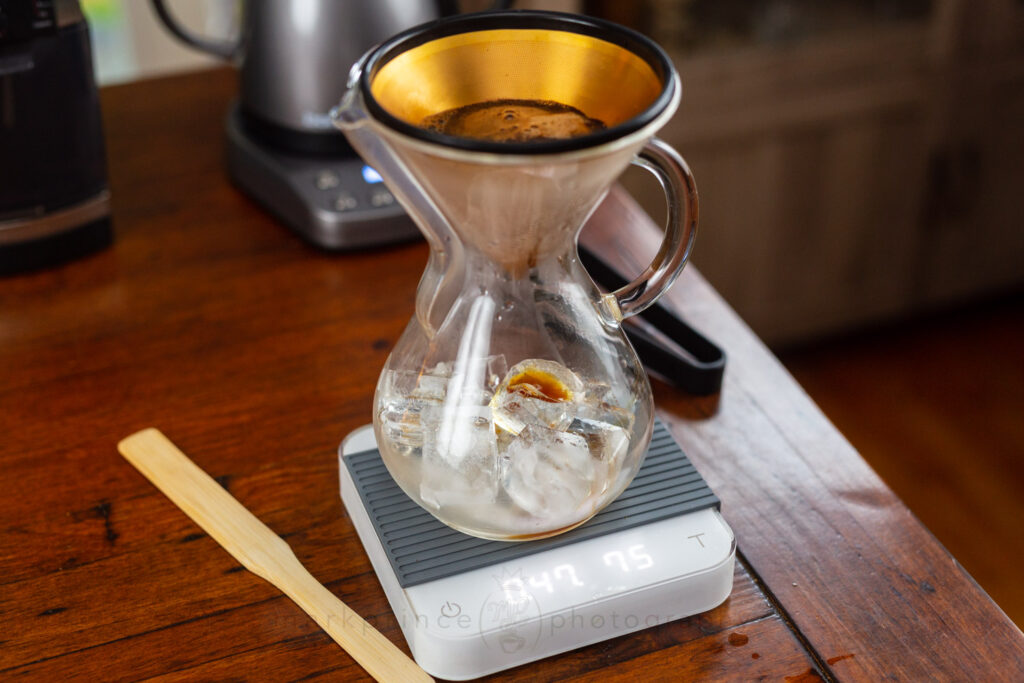
Japanese Iced Coffee: Precision and Clarity
Japanese iced coffee, also known as flash brew, is a technique that emphasizes precision, clarity, and freshness in chilled coffee. Unlike traditional cold brew, which requires extended steeping times, Japanese iced coffee involves brewing hot coffee directly over ice, immediately chilling the beverage and locking in its delicate flavors and aromatic compounds. This method requires careful attention to grind size, water temperature, coffee-to-water ratio, and ice quantity to achieve a perfectly balanced cup. Typically, a medium grind is used, and water is heated to 195–205°F (90–96°C), ensuring optimal extraction. Ice serves a dual purpose: it chills the coffee instantly and prevents over-extraction, which can result in bitterness. The technique highlights the coffee’s natural brightness, acidity, and nuanced flavor notes, making it particularly suitable for high-quality single-origin beans. Japanese iced coffee allows coffee enthusiasts to explore and emphasize the subtle complexities of flavor that might be muted in hot brewing or diluted by standard iced coffee preparation. The method also encourages experimentation, as variations in grind size, brewing time, and water-to-ice ratio can dramatically influence taste. Beyond technical precision, Japanese iced coffee embodies an aesthetic and ritualistic approach to brewing, engaging multiple senses as one observes the brewing process, aroma, and the transformation from hot liquid to perfectly chilled coffee. The method offers versatility for creating both simple, pure iced coffee and more elaborate beverages, such as iced lattes or flavored drinks. Overall, Japanese iced coffee demonstrates the marriage of technical expertise, sensory appreciation, and practical creativity, providing coffee enthusiasts with a refined and refreshing alternative to traditional brewing techniques, showcasing clarity, vibrancy, and exceptional flavor in every cup.
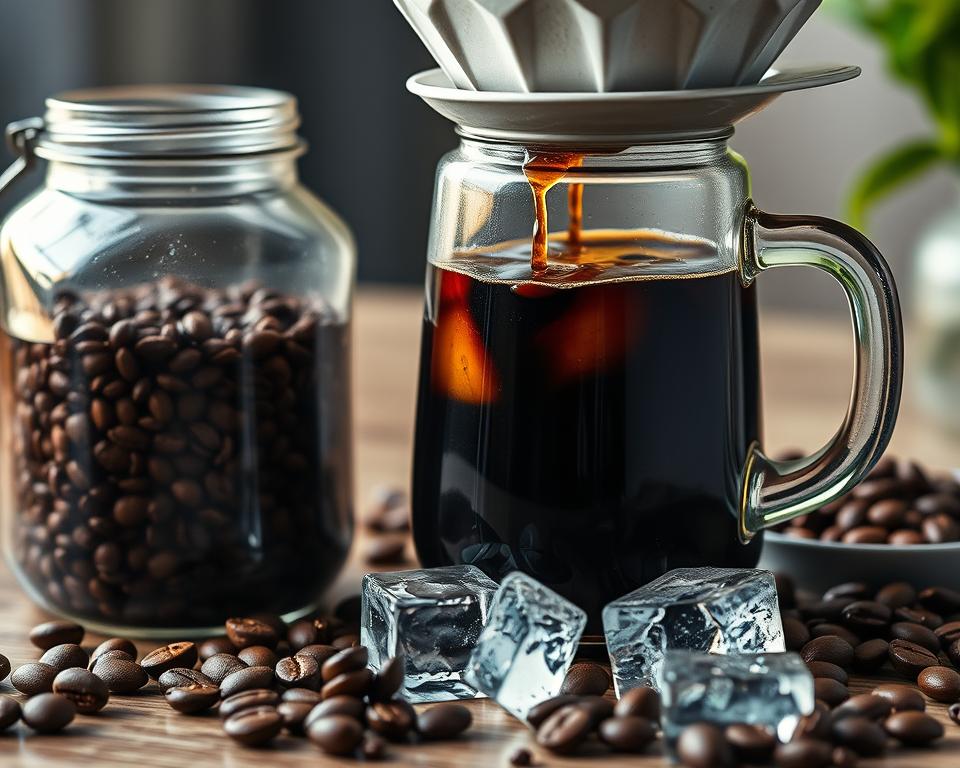
Cold Drip Coffee: Slow Extraction for Maximum Flavor
Cold drip coffee, also known as slow drip or Kyoto-style coffee, is a meticulous brewing method that emphasizes patience, precision, and flavor clarity. This technique involves dripping cold water slowly over medium to coarse ground coffee for an extended period, typically 3–8 hours, allowing for a gradual extraction of flavor compounds without heat. The slow extraction reduces acidity and bitterness, resulting in a smooth, clean, and concentrated coffee with a nuanced flavor profile that highlights the natural sweetness, body, and aroma of the beans. Cold drip coffee equipment usually consists of multiple chambers, including a water reservoir, a drip control mechanism, and a collection vessel. Adjustments in drip rate, grind size, coffee-to-water ratio, and extraction time allow enthusiasts to experiment and fine-tune flavor outcomes, emphasizing particular tasting notes, such as floral, chocolate, fruity, or nutty flavors. This method preserves delicate aromatics that can be lost in hot brewing, providing a unique sensory experience that combines taste, smell, and visual presentation. Cold drip coffee can be consumed straight, over ice, or diluted to taste, offering versatility for daily consumption or for specialty beverage preparation. The process also encourages mindfulness and engagement, as brewers must carefully calibrate drip speed and observe extraction progress, transforming brewing into an immersive ritual. Cold drip coffee embodies the intersection of science, craftsmanship, and aesthetic enjoyment, highlighting the meticulous care required to unlock the full potential of coffee beans. Overall, cold drip coffee provides a rich, smooth, and intricate coffee experience that emphasizes patience, precision, and the exploration of flavor, making it a favorite among enthusiasts seeking refined and high-quality brewing methods.

Espresso Macchiato: Balancing Intensity and Creaminess
The espresso macchiato is a classic coffee beverage that balances the intensity of a concentrated espresso shot with a small amount of steamed milk, resulting in a harmonious blend of robust flavor and creamy texture. Originating in Italian coffee culture, 'macchiato' means 'stained' or 'spotted,' referring to the milk added to the espresso. Preparation begins with a carefully pulled shot of espresso, brewed under high pressure to extract rich oils, aroma, and soluble compounds from finely ground coffee. A small layer of steamed milk or milk foam is then added, softening the espresso’s intensity while preserving its bold characteristics. The beverage requires precision in both espresso extraction and milk steaming, as temperature, texture, and volume significantly impact taste and mouthfeel. Espresso macchiatos highlight the espresso’s complexity, allowing subtle flavor notes such as chocolate, caramel, or fruity undertones to emerge while maintaining the beverage’s signature strength. The drink offers versatility, with variations in milk proportion, milk type, and presentation, catering to personal preference and creativity. It also serves as a foundational template for other espresso-based beverages like lattes and cappuccinos. Beyond taste, the espresso macchiato embodies ritual, craftsmanship, and attention to detail, providing a moment of sensory engagement for the drinker through aroma, visual presentation, and flavor experience. Mastery involves understanding espresso extraction, milk texturing, and balance, offering both professionals and enthusiasts the opportunity to appreciate the artistry behind a small but potent cup. Overall, the espresso macchiato is a refined beverage that exemplifies harmony, technical skill, and enjoyment, showcasing the depth and versatility of espresso preparation while offering a satisfying, flavorful, and elegant coffee experience.
Vietnam Drip Coffee: Sweet and Strong
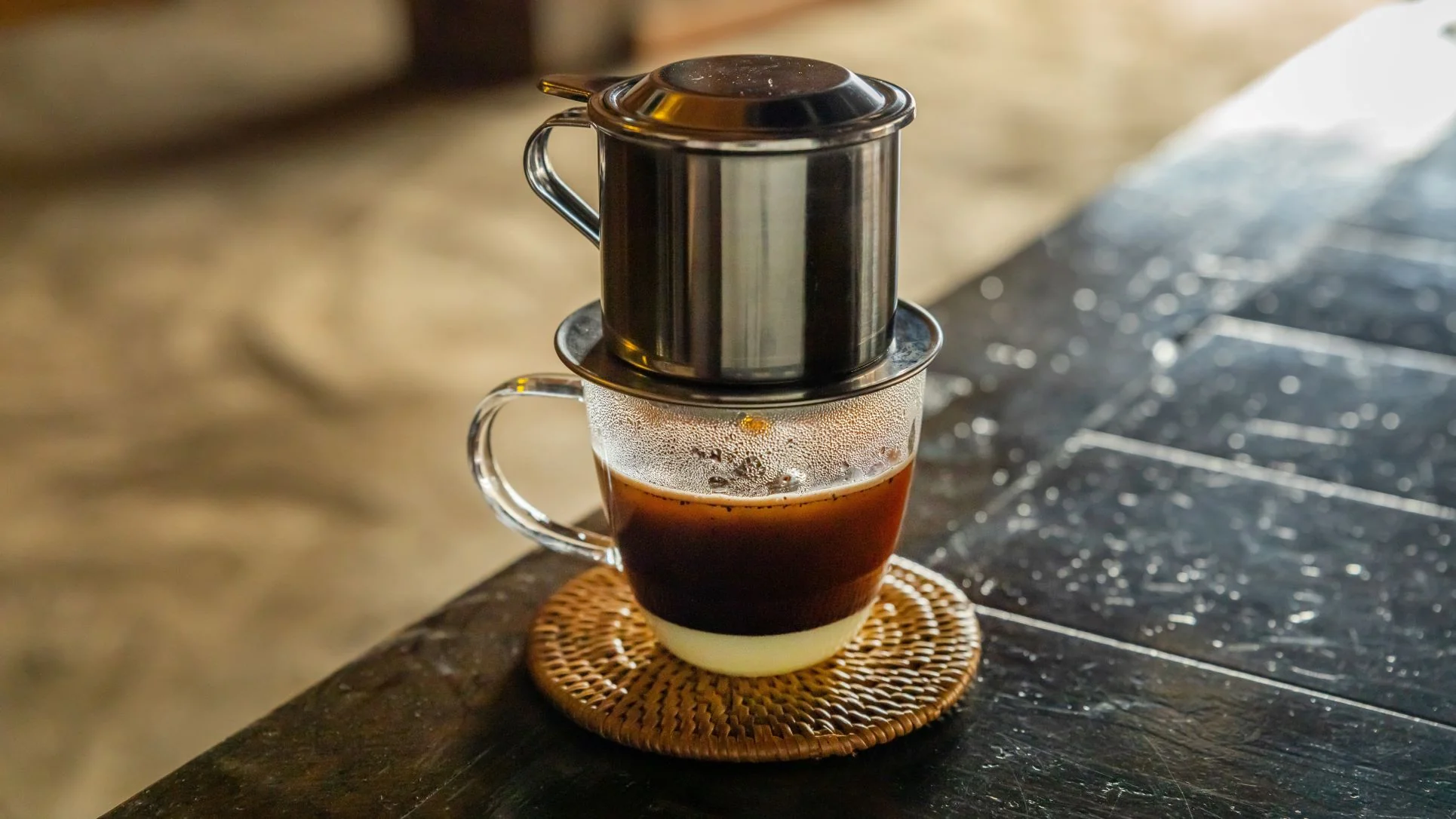
Vietnam drip coffee, also known as cà phê phin, is a traditional Vietnamese brewing method that produces a bold, aromatic, and intensely flavorful cup of coffee. This method uses a small metal drip filter called a phin, placed over a glass containing sweetened condensed milk. Coarsely ground dark-roasted beans, often robusta, are placed in the filter, and hot water is slowly poured over the grounds. The water slowly drips through the coffee, extracting deep flavors while blending with the rich sweetness of the condensed milk. The result is a robust and indulgent coffee with a thick body, a slightly syrupy texture, and a harmonious balance between strong coffee bitterness and creamy sweetness. Vietnamese drip coffee emphasizes patience, precision, and ritual, as the slow dripping process can take several minutes, allowing for careful observation and sensory engagement. This method encourages experimentation with grind size, coffee-to-water ratio, water temperature, and drip speed to achieve a cup that suits individual taste preferences. Vietnamese coffee can also be served iced, known as cà phê sữa đá, making it a refreshing and energizing beverage in hot climates. The drink reflects Vietnam’s unique coffee culture, emphasizing conviviality, hospitality, and careful craftsmanship. Beyond taste, it fosters an appreciation for the history and tradition behind coffee preparation, connecting enthusiasts with generations of brewing expertise. Mastering Vietnamese drip coffee involves understanding the interaction between water, coffee, and milk, as well as refining techniques to control strength, sweetness, and flavor clarity. It provides a multisensory experience that engages aroma, taste, and visual appeal, making it both satisfying and culturally enriching. Overall, Vietnamese drip coffee represents a blend of artistry, tradition, and innovation, offering a distinct and memorable approach to coffee brewing that has captivated coffee lovers worldwide.

Affogato: Coffee Meets Dessert
The affogato is a delightful Italian coffee-based dessert that combines the intensity of espresso with the creamy sweetness of ice cream or gelato. The term 'affogato' translates to 'drowned' in Italian, reflecting the simple yet indulgent preparation method: a shot of freshly brewed espresso is poured over a scoop of vanilla or other flavored ice cream, instantly creating a rich, warm-and-cold dessert experience. This combination balances bitterness from the espresso with the creamy sweetness of the ice cream, producing a layered flavor profile with contrasting textures and temperatures. The affogato requires careful espresso extraction, typically using freshly ground coffee, finely tamped into a portafilter and brewed under high pressure for 25–30 seconds to achieve a concentrated, aromatic, and flavorful shot. Choosing high-quality ice cream or gelato enhances the dessert’s texture, creaminess, and overall enjoyment. Affogato can be customized with various toppings, such as chocolate shavings, liqueurs, or nuts, adding complexity and aesthetic appeal. Beyond its sensory experience, the affogato embodies elegance, simplicity, and culinary creativity, demonstrating how coffee can transcend its role as a beverage to become a central element of a sophisticated dessert. Mastering affogato preparation involves timing, temperature control, and understanding flavor balance, ensuring the espresso integrates harmoniously with the ice cream without overpowering or melting it too quickly. The affogato is often enjoyed as an afternoon treat, after-dinner indulgence, or special occasion dessert, providing a multisensory experience that engages taste, aroma, and sight. Overall, the affogato exemplifies the intersection of coffee culture, gastronomy, and sensory pleasure, offering enthusiasts a creative and satisfying way to enjoy espresso in combination with the indulgence of dessert, elevating coffee into a refined culinary experience.